


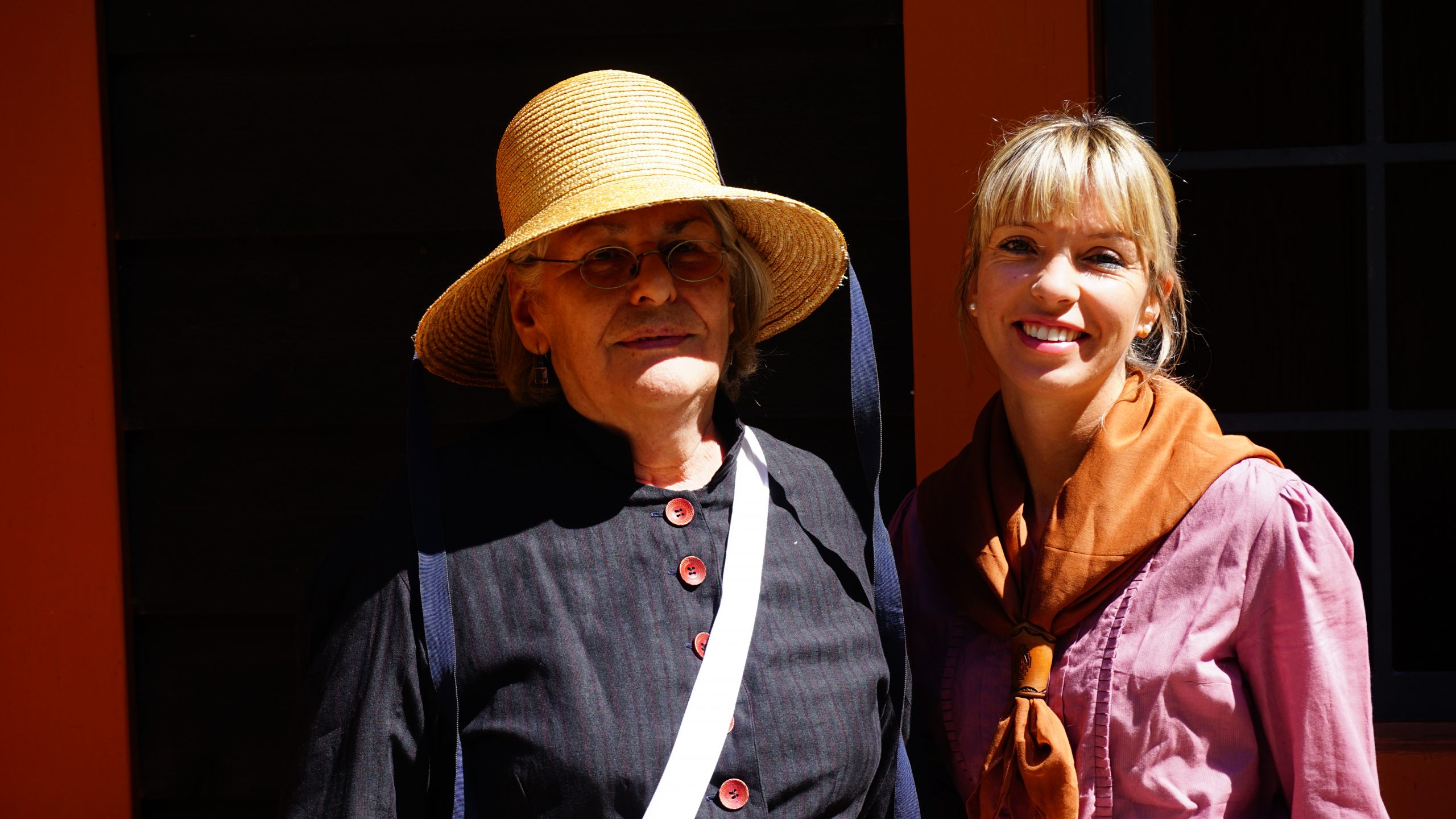
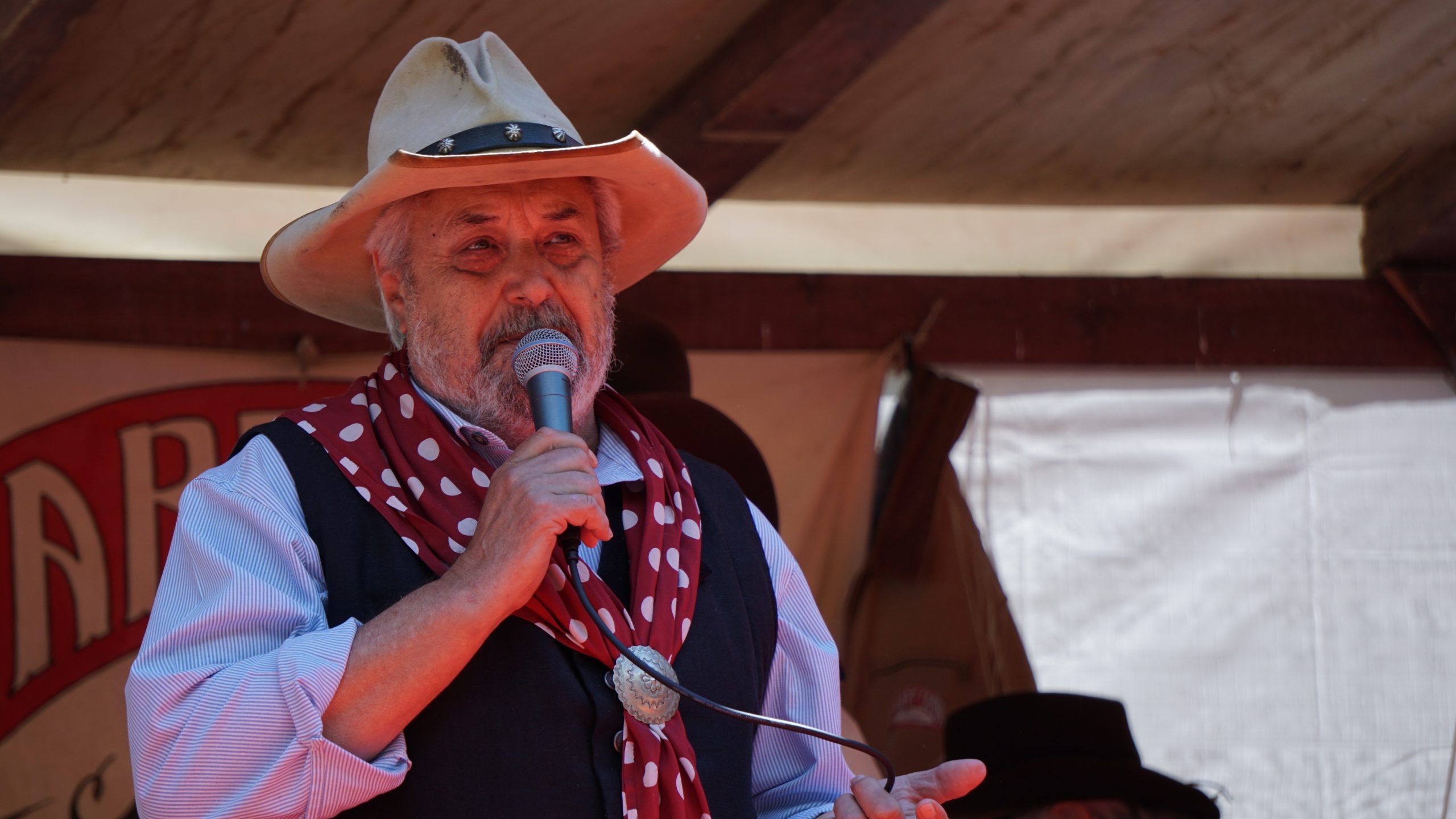
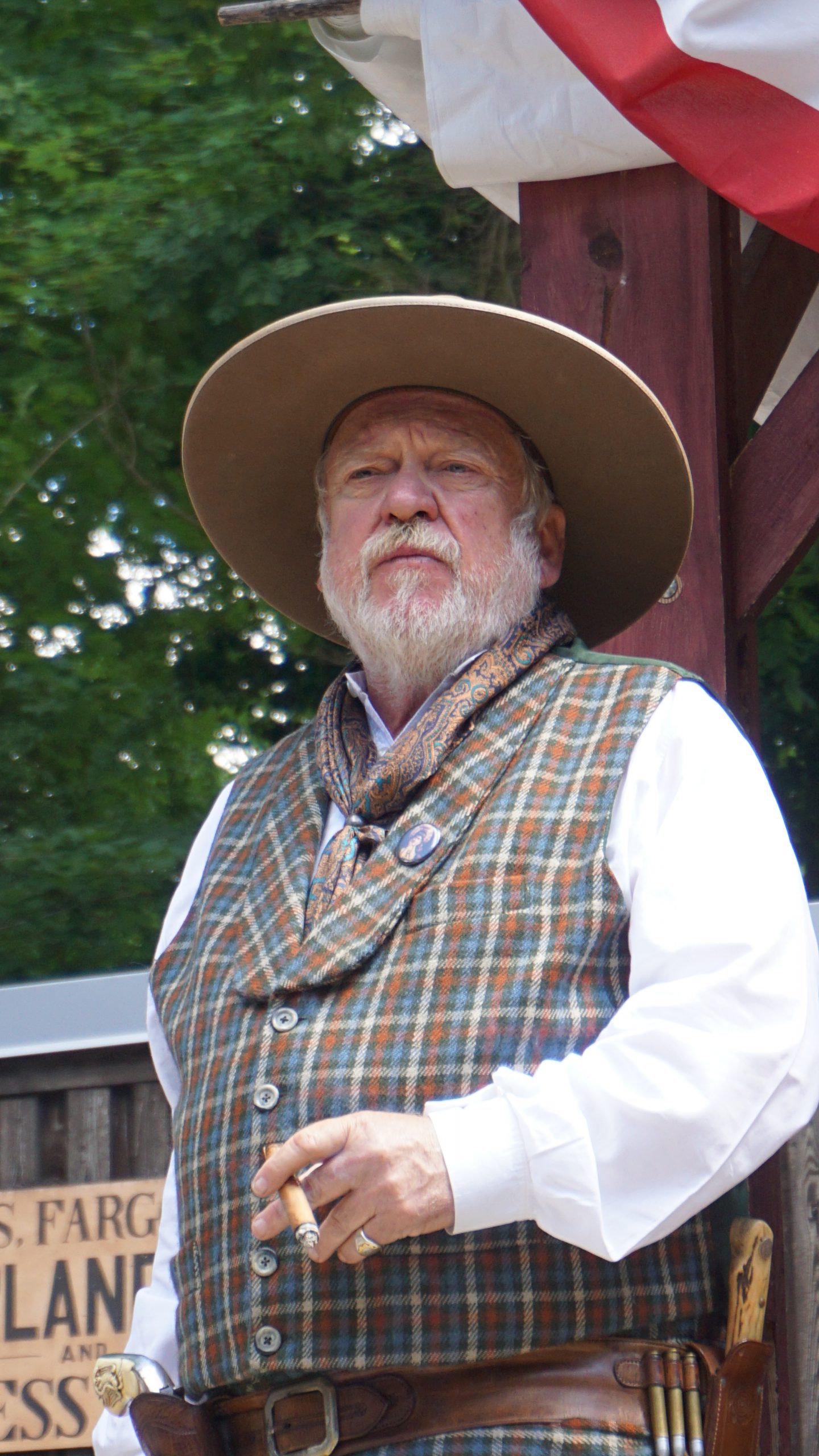
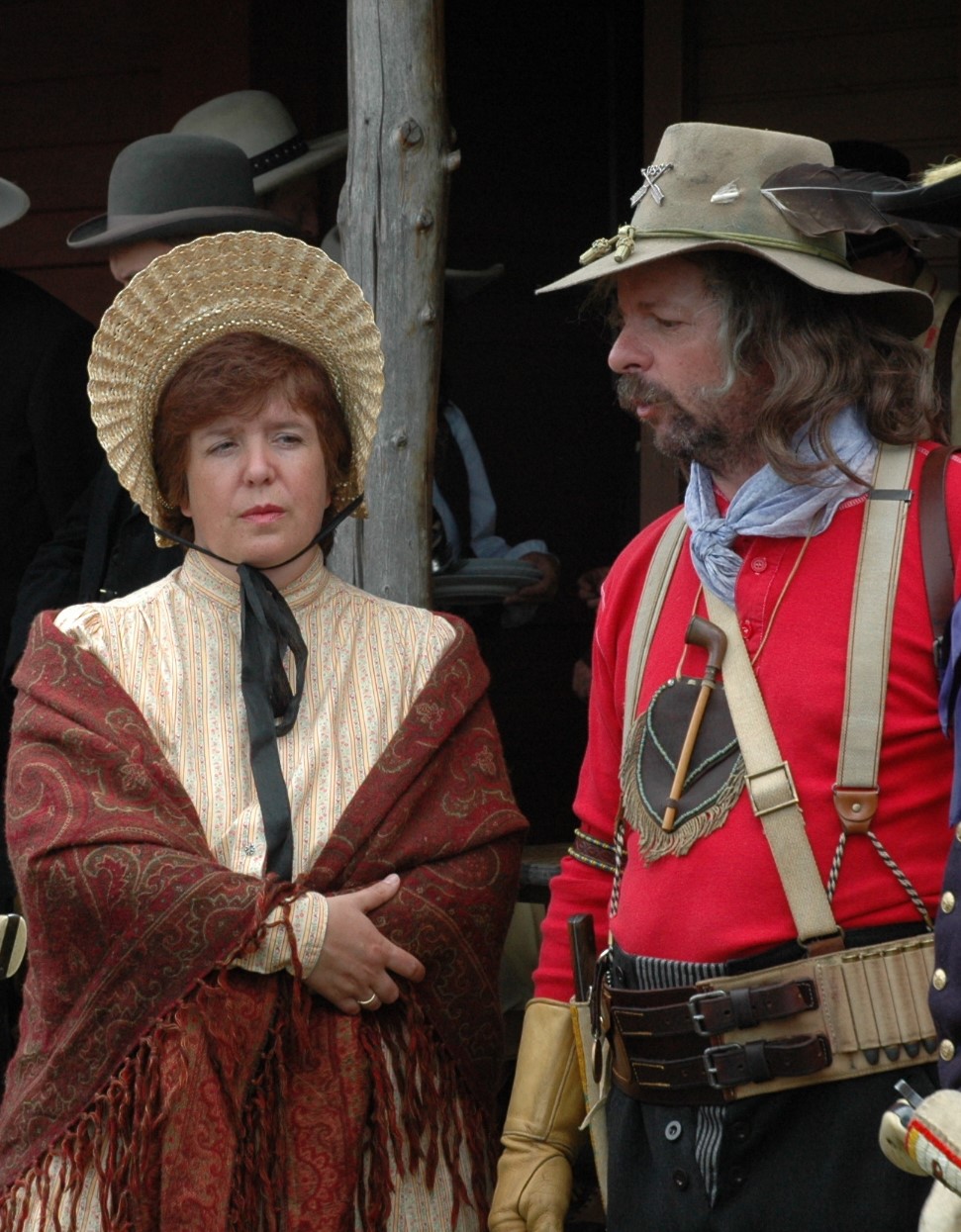
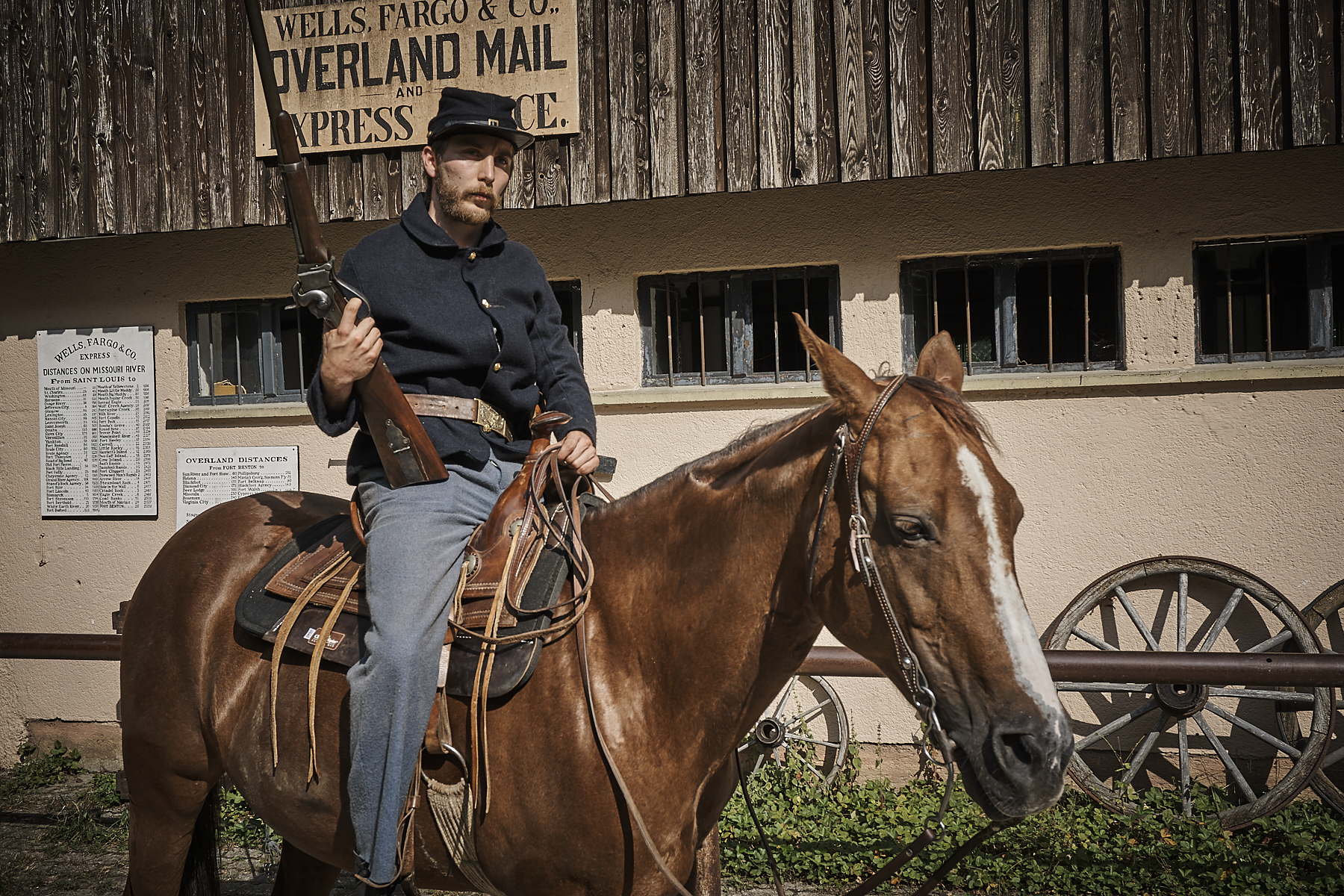
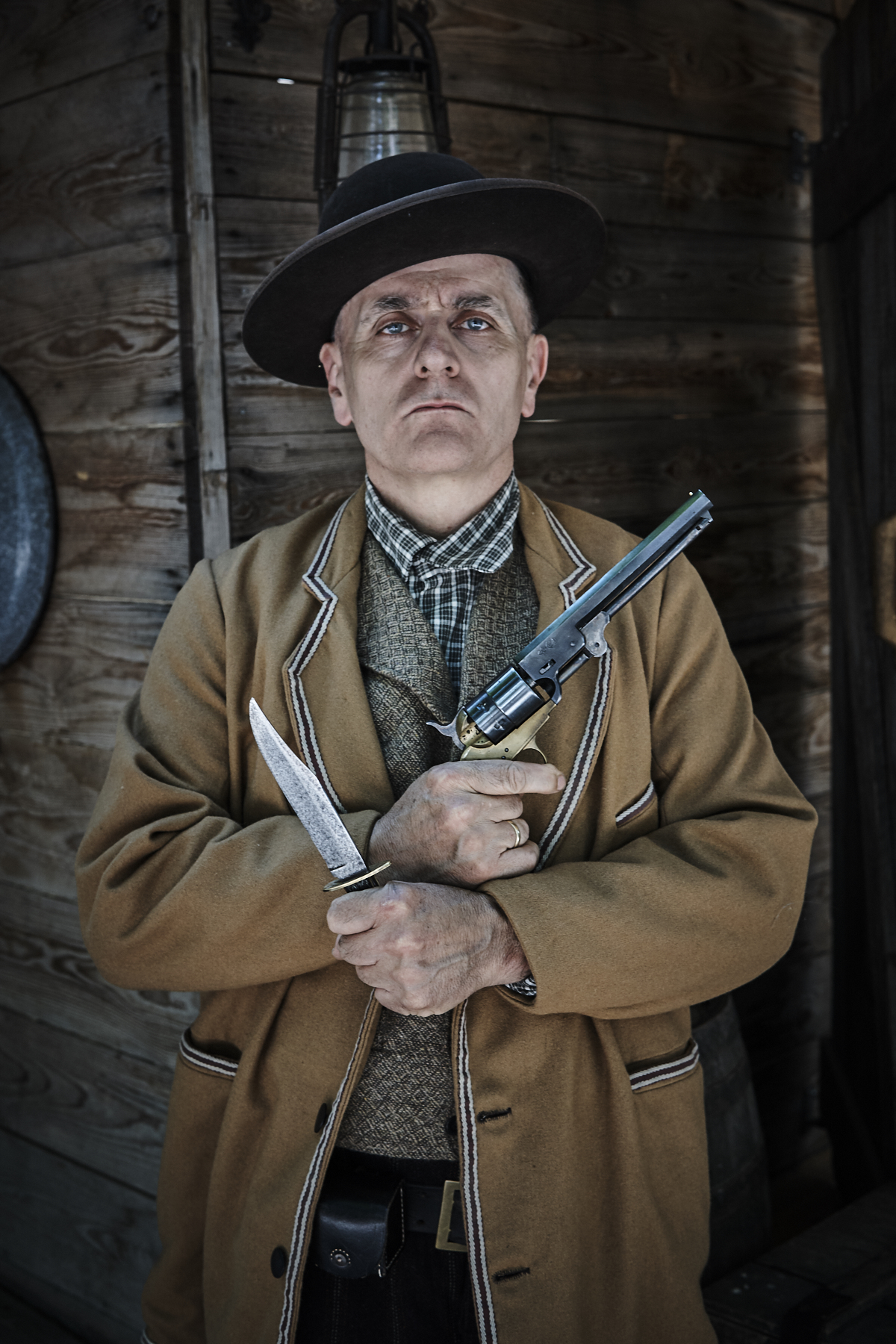
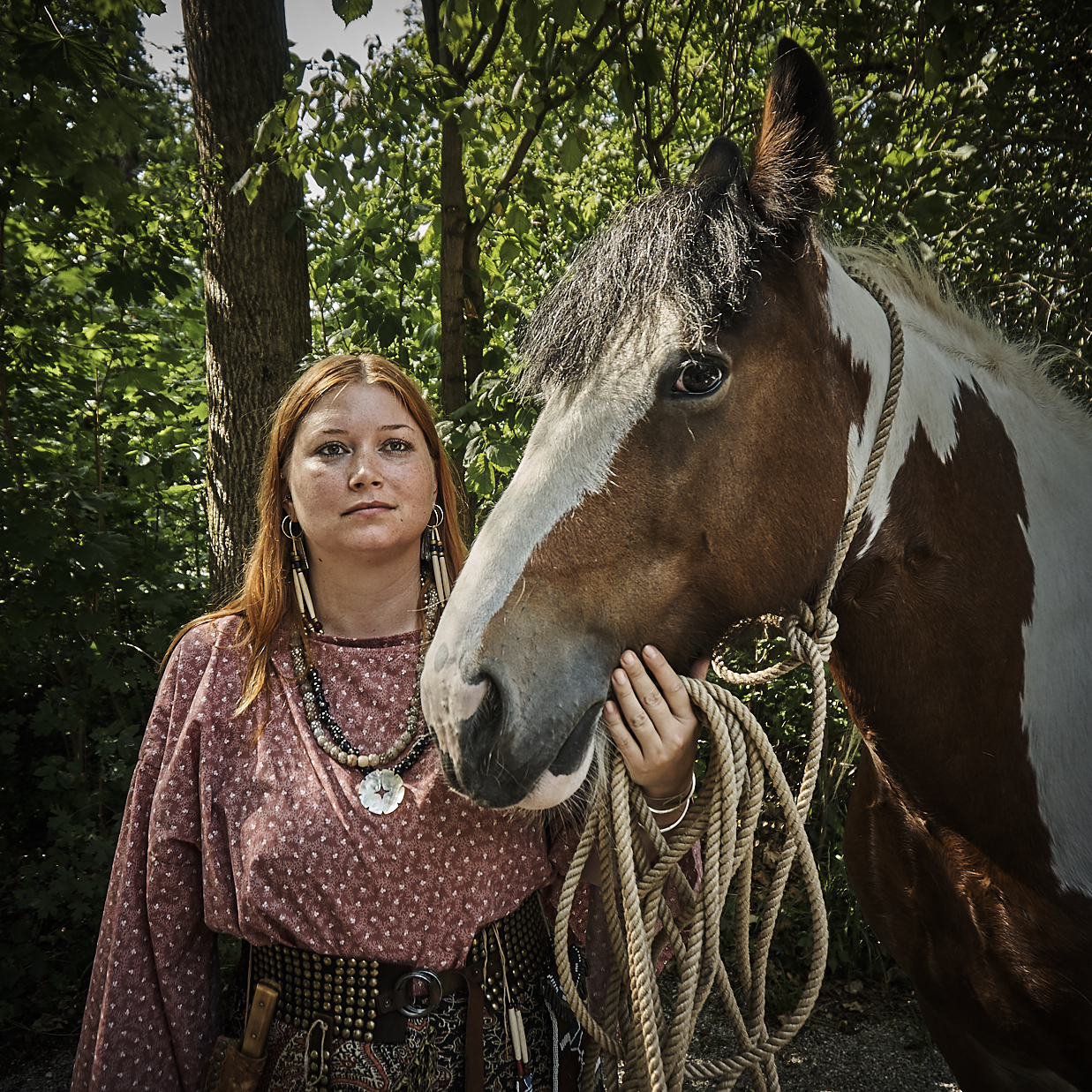
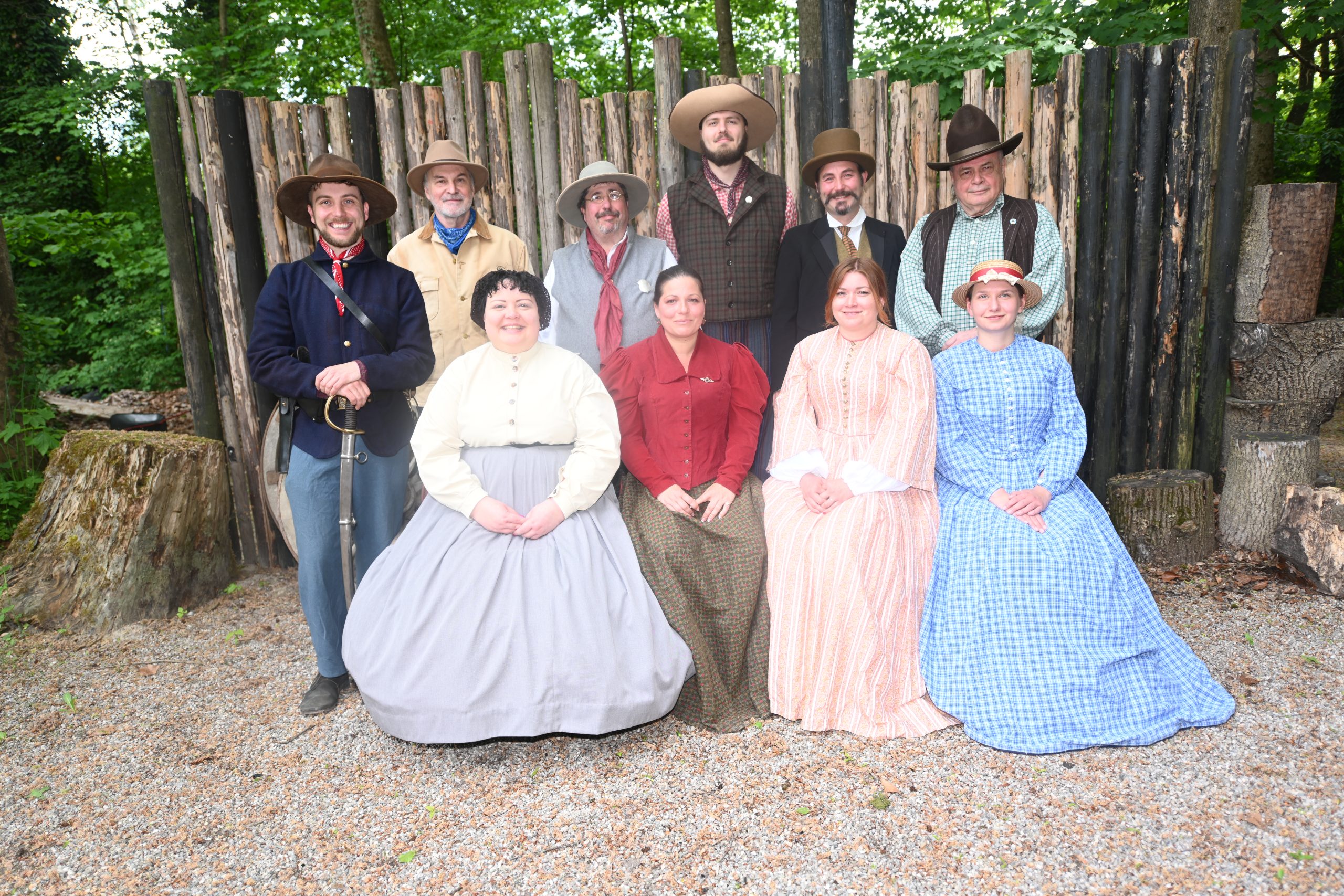
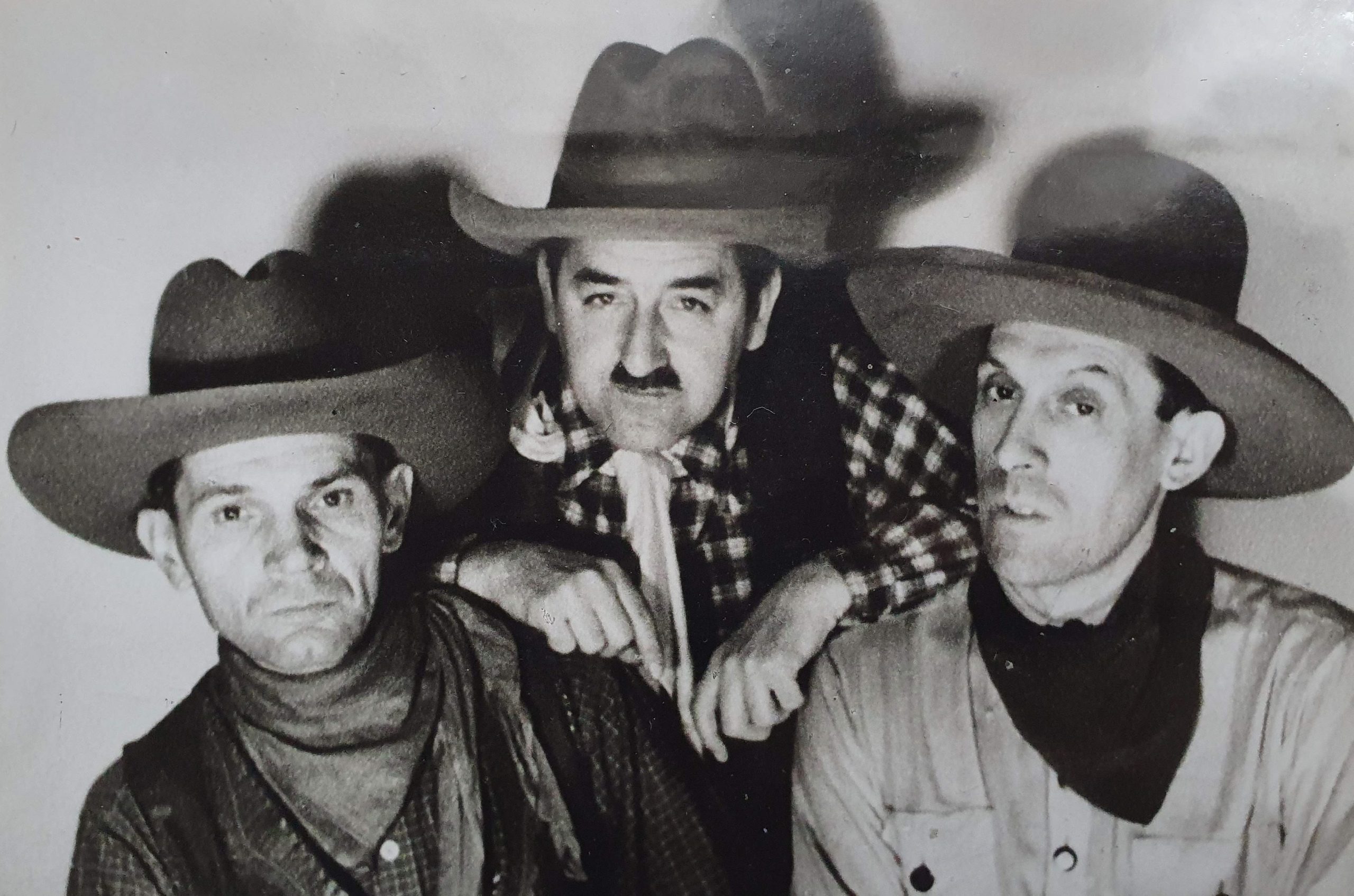
The history of the Cowboy-Club München 1913 e. V. (CCM) started as „Losverein Wild West“. Filld with the idea of emigration, Fred Sommer (1888-1958, first chairman of the CCM from 1913 to 1948), the father of columnist Sigi Sommer (1914-1996), his brother Hermann (1895-1947) and Martin Fromberger (1894-1955) founded the club on April 12th, 1913. To finance their goal of emigrating overseas, they played the class lottery. They learned the English language and educated themselves about American traditions and history. World war I pot an end to their ambitions to emigrate.
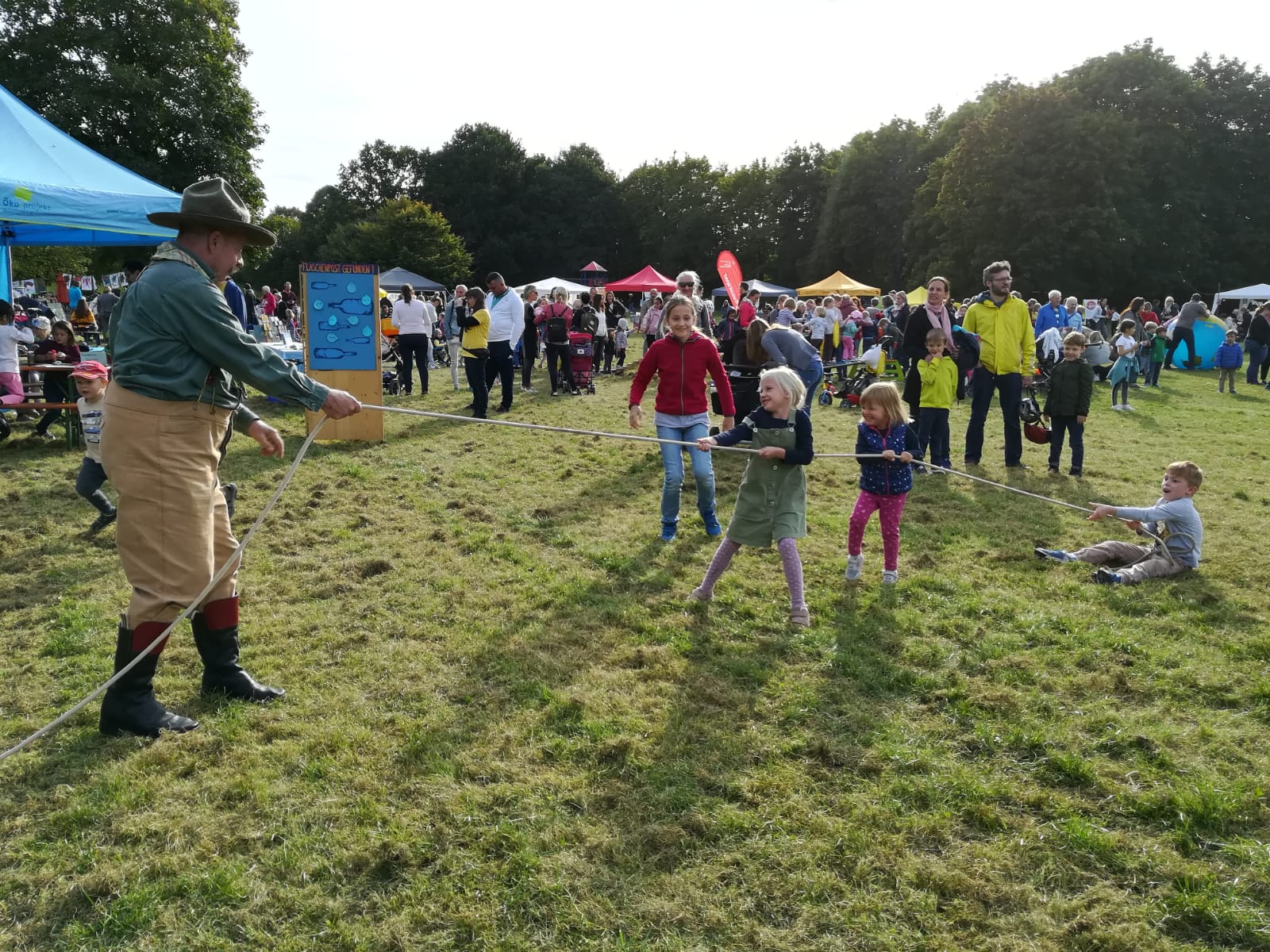
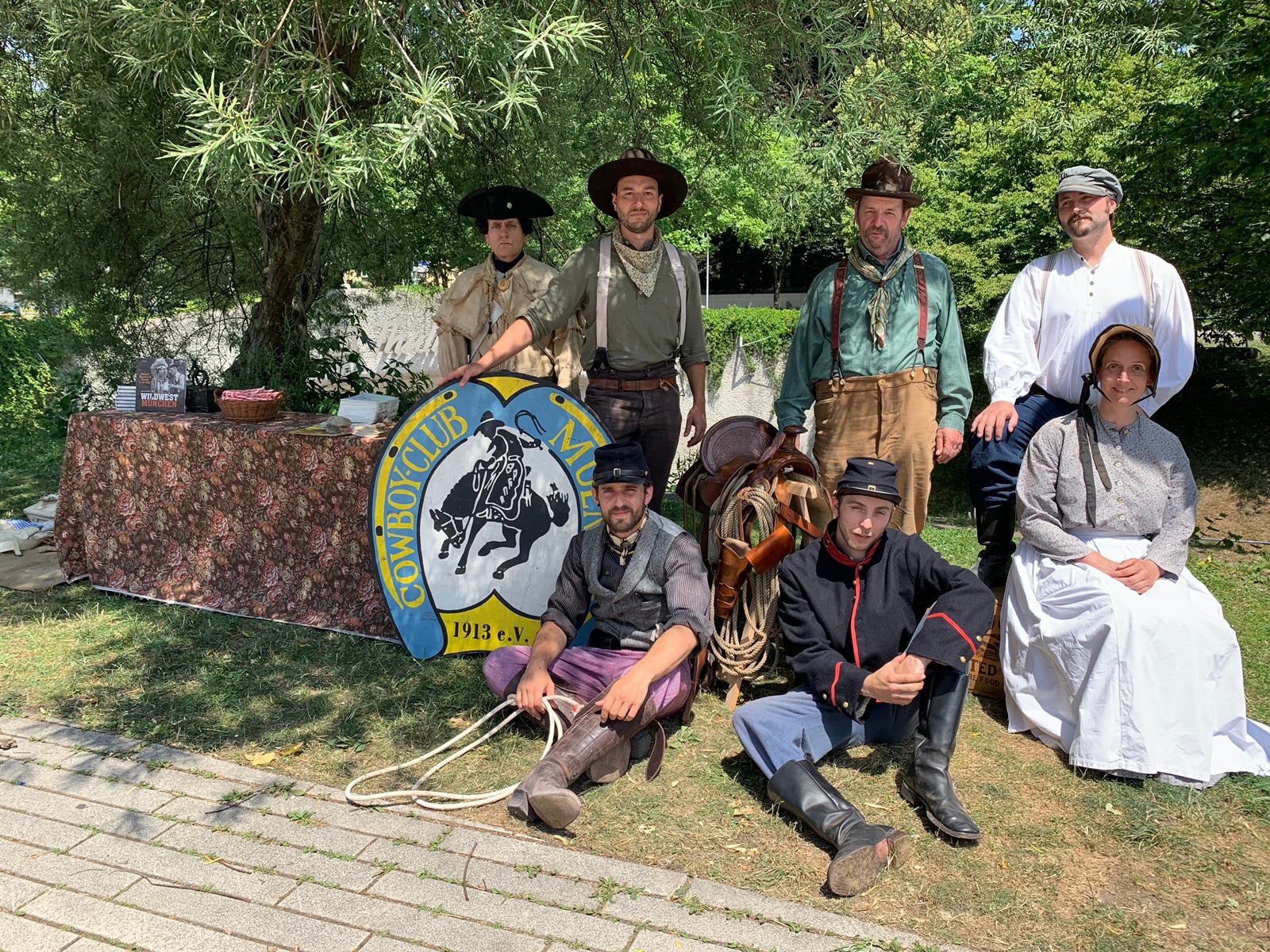
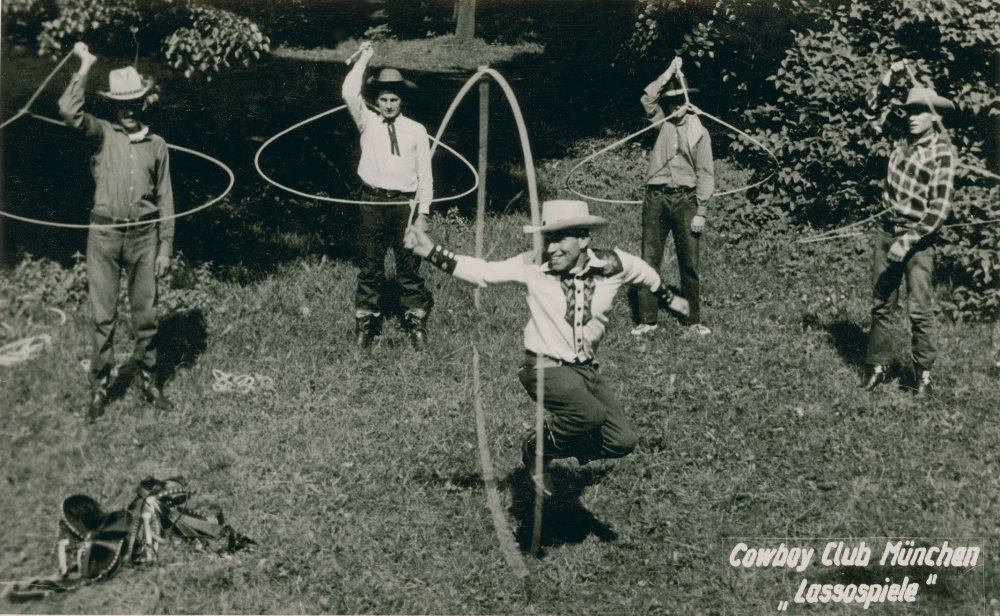
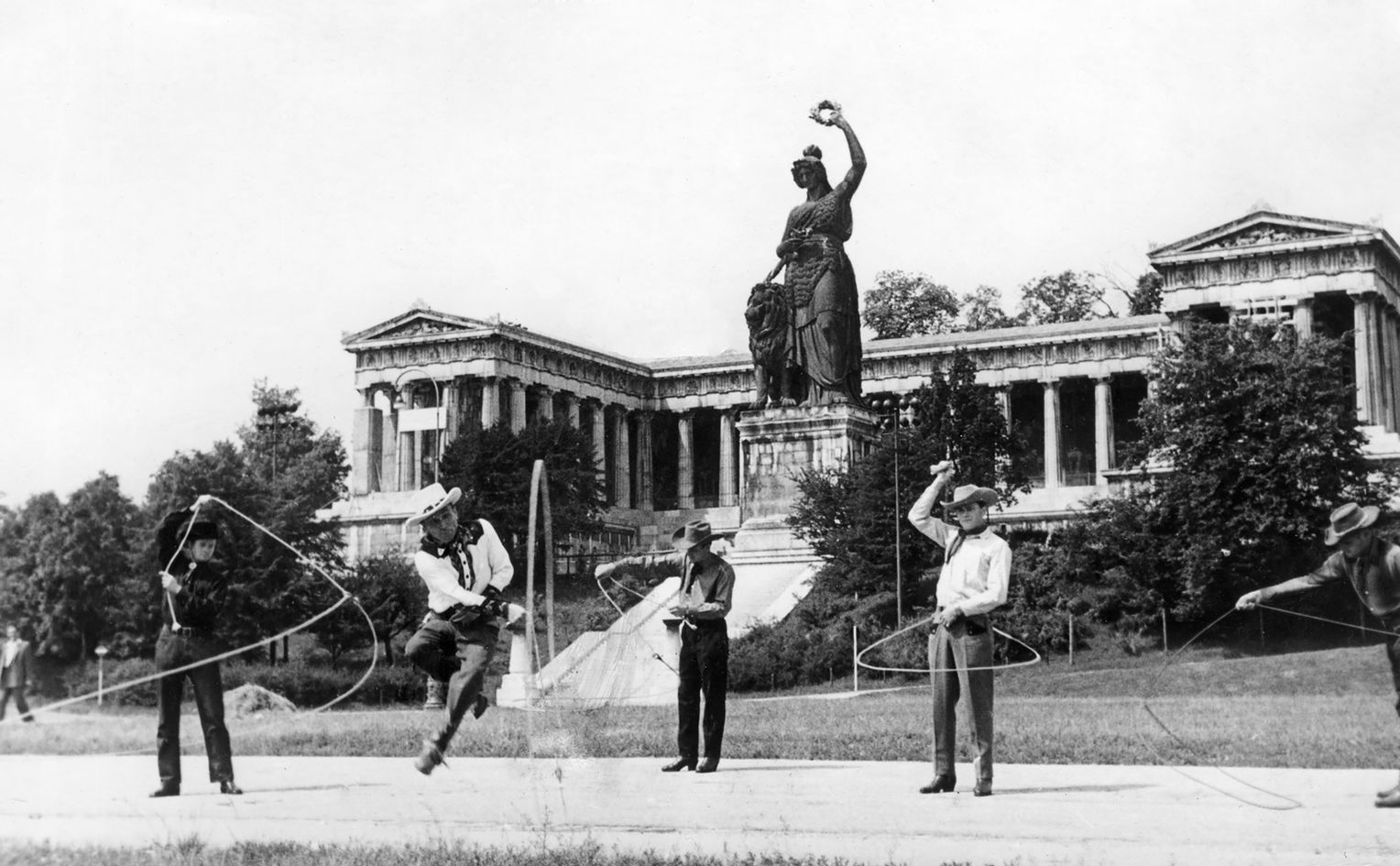
Under the aegis of Fred Sommer, contacts were established with Native Americans from circus shows and overseas traders. Cowboy hats, lassos and horse saddles were purchased, and eagle feathers were traded for instance with the Sioux from the Pine Ridge Reservation in South Dakota (USA) for brain-tanned leggins, necklaces and moccasins. At various events, members of the CCM demonstrated their athletic skills and portrayed life in the Wild West. In addition to rodeos against other clubs, the association participated in carnival parades, Wild West and charity events, and its members appeared as extras in various movies in their own historical clothing, such as in „Wildwest in Oberbayern“ (1951), a movie by Ferdinand Dörfler (1903-1965). In the 1930s club member „Pecos Kid“ shot his own „Isar Western“ in Großhesselohe with „Once upon a time“ featuring „Snapshots of our Indians“ (excerpt from the club chronicle).
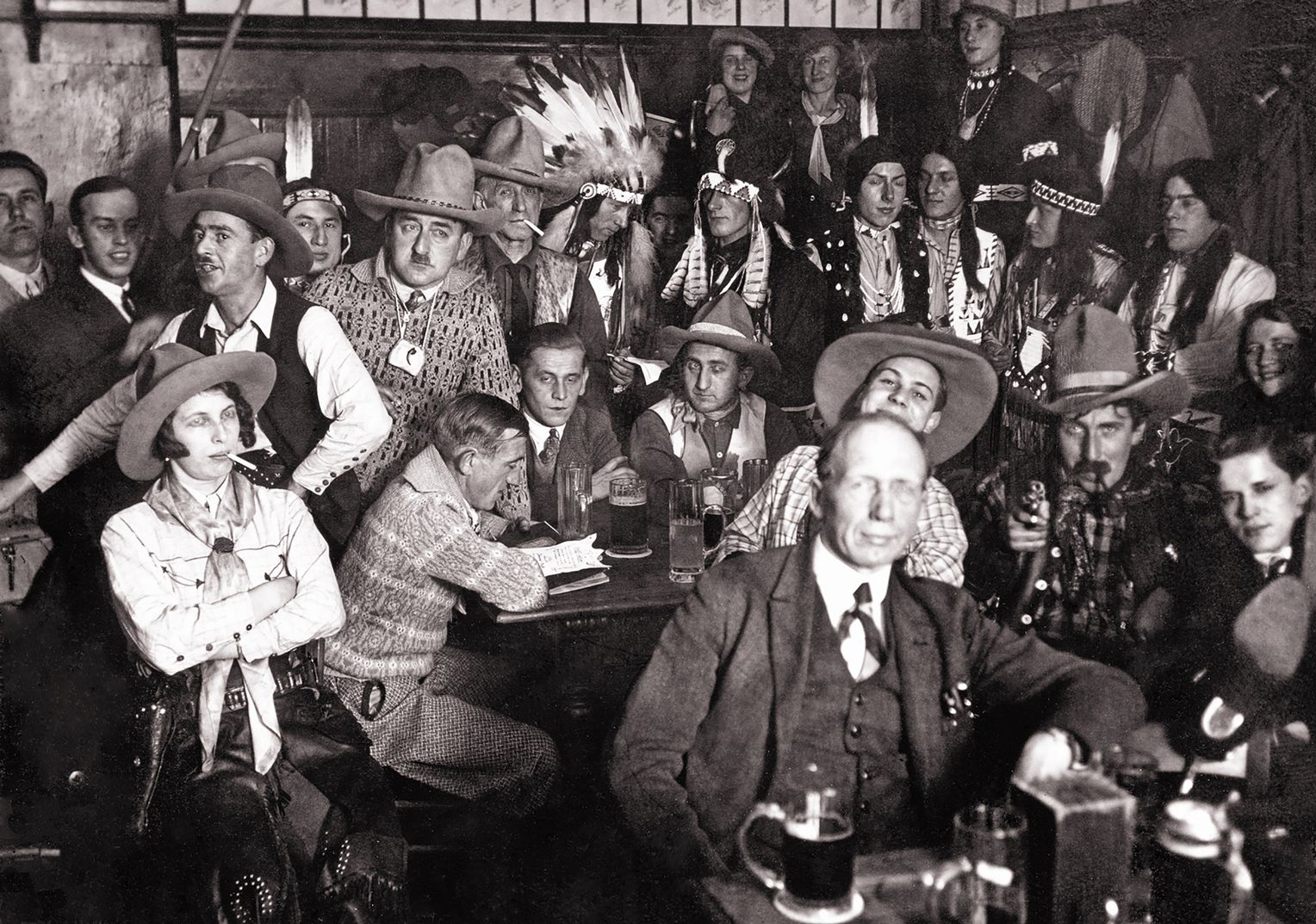
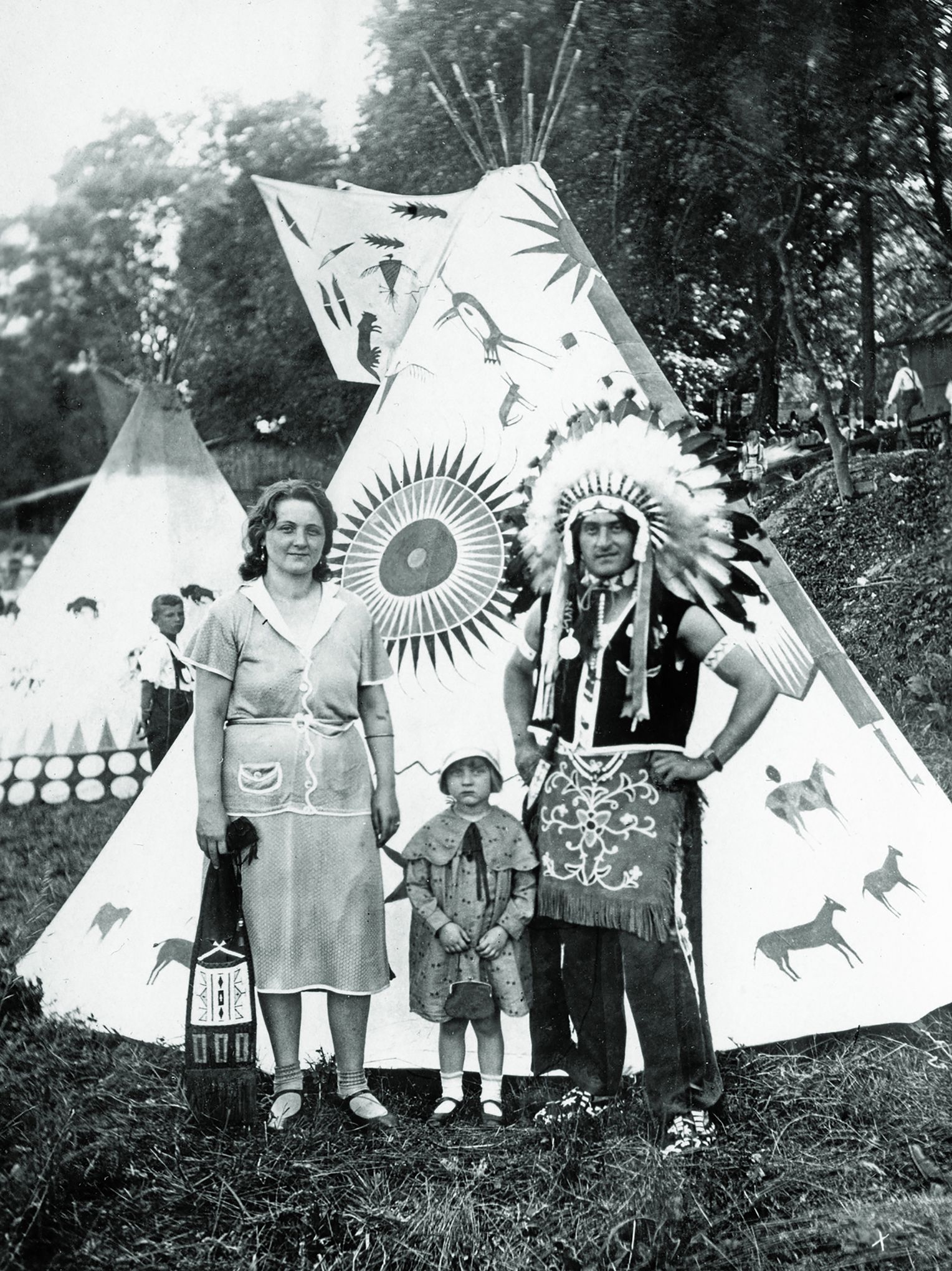
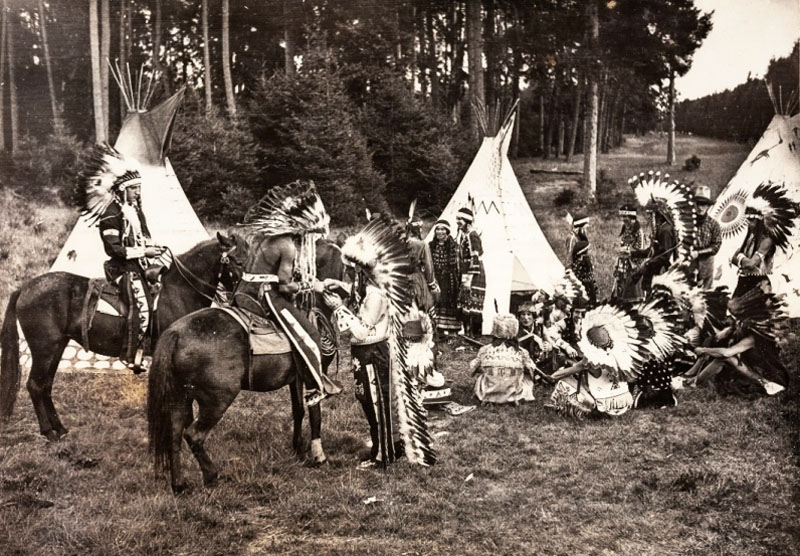
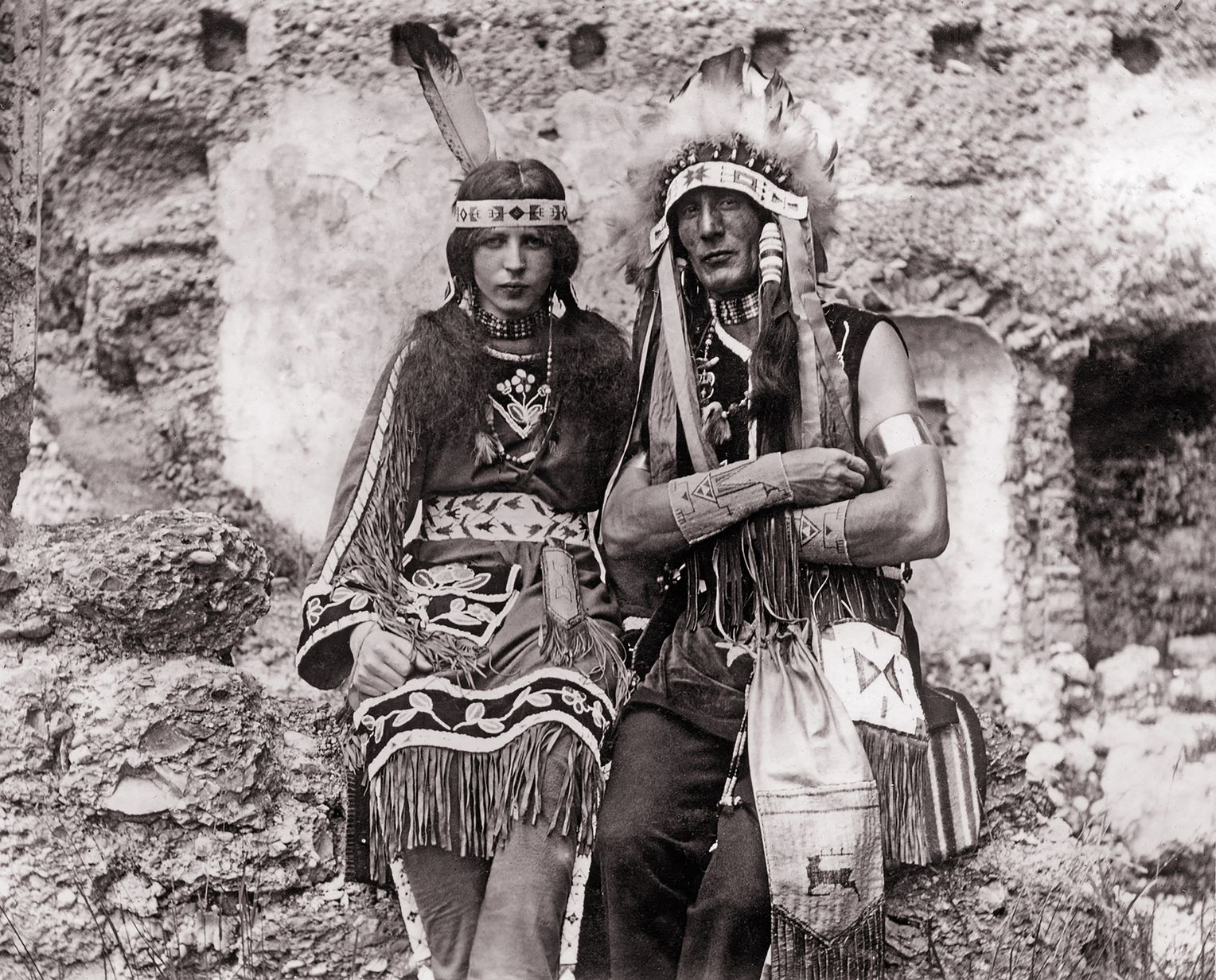
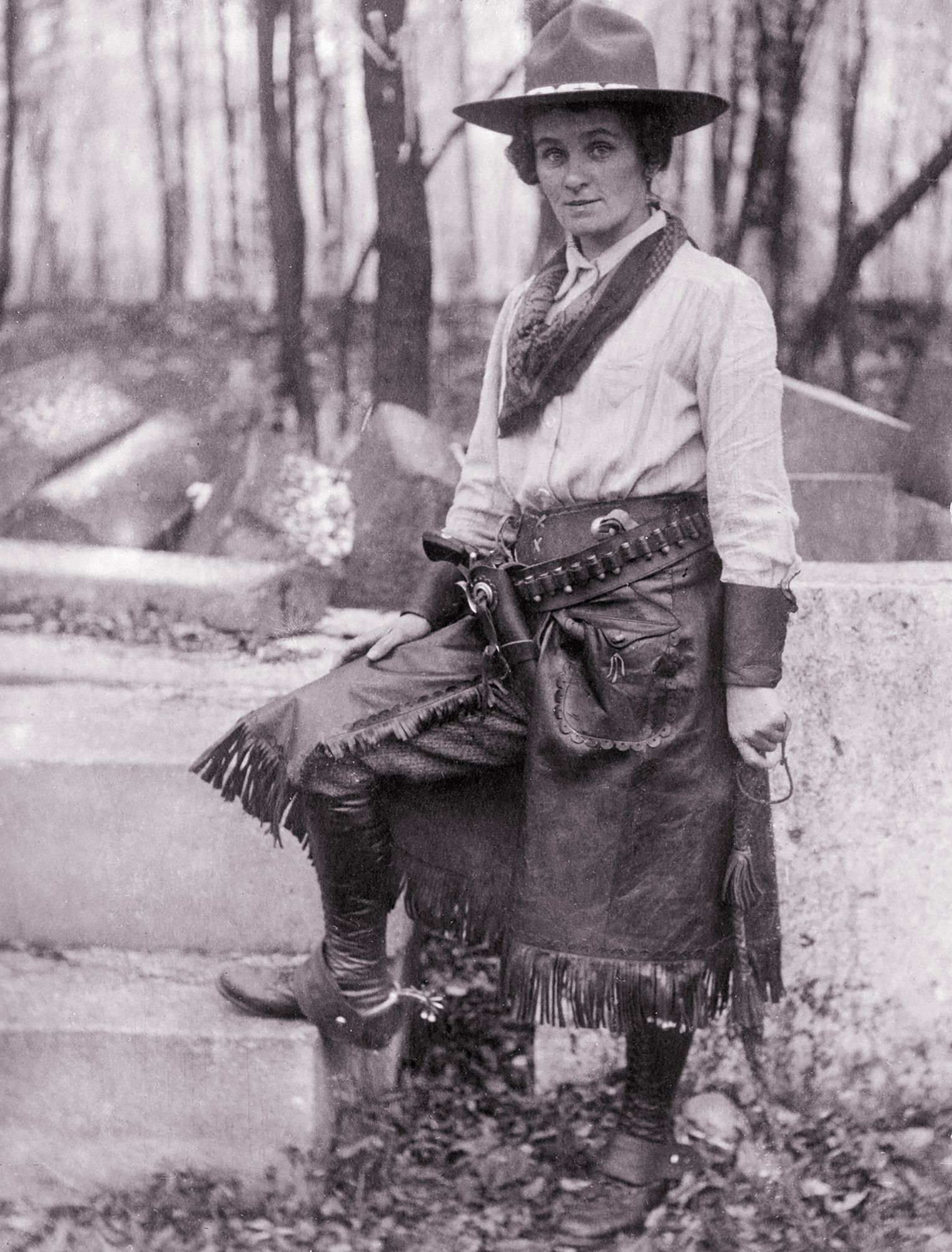
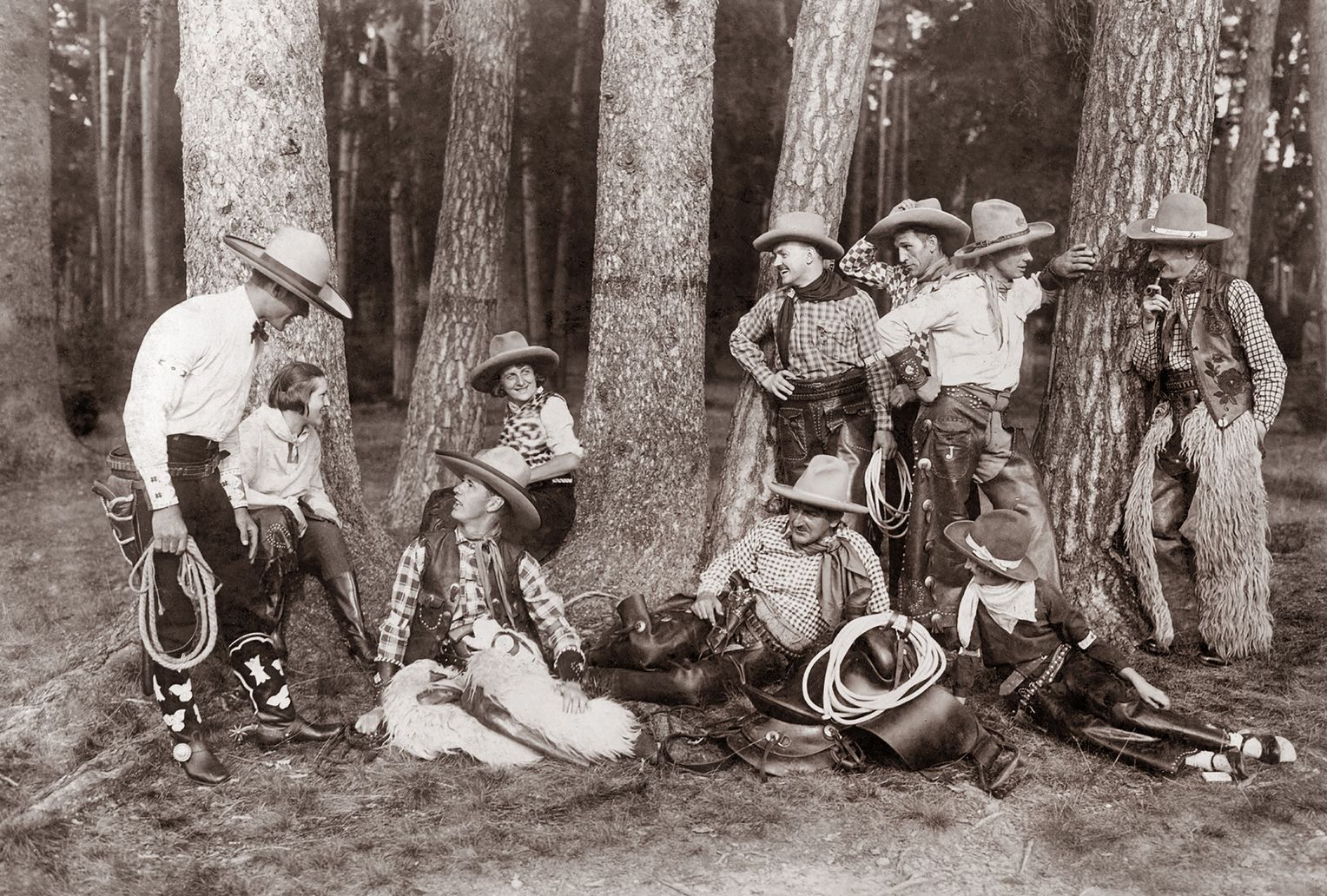
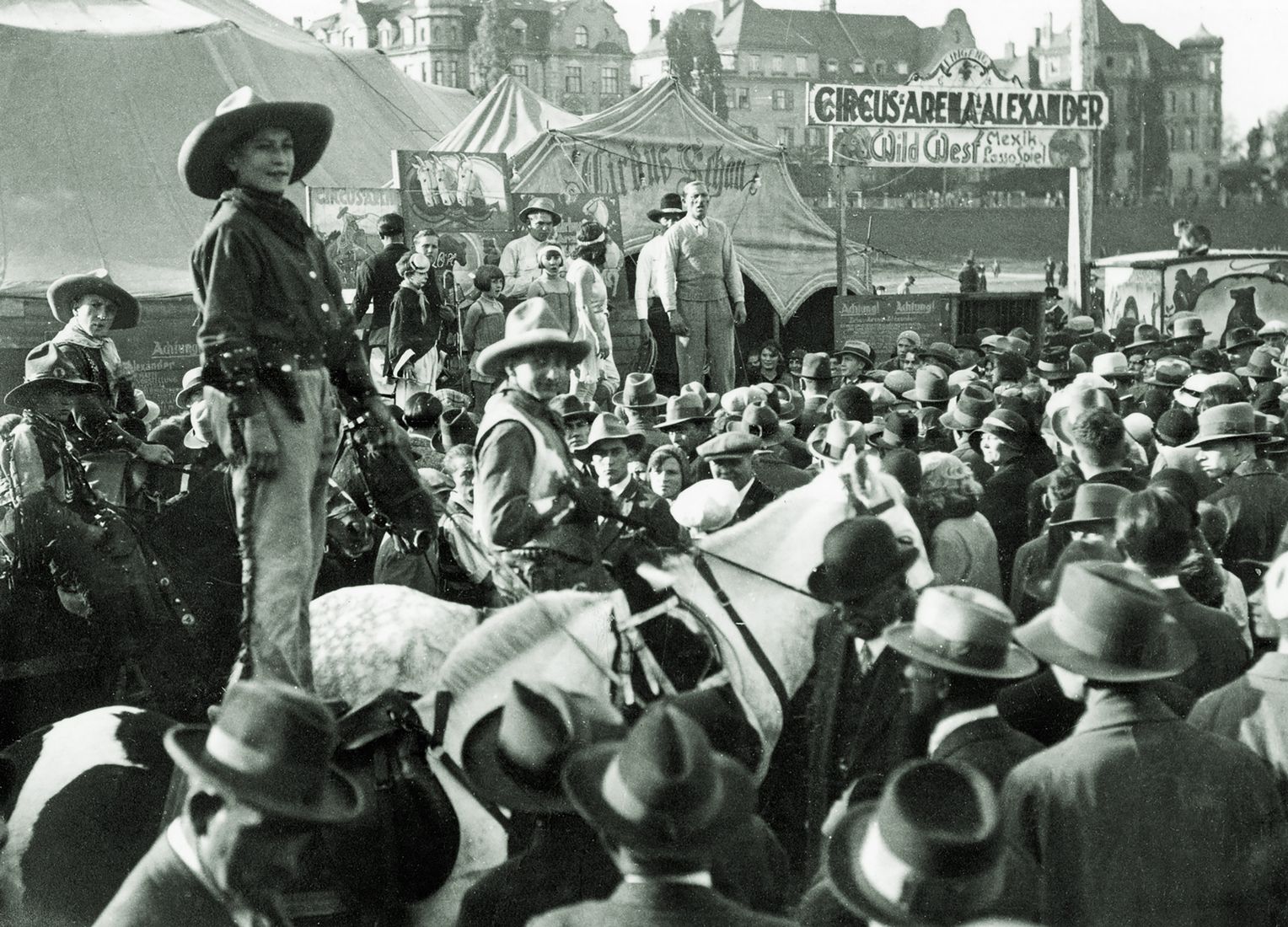
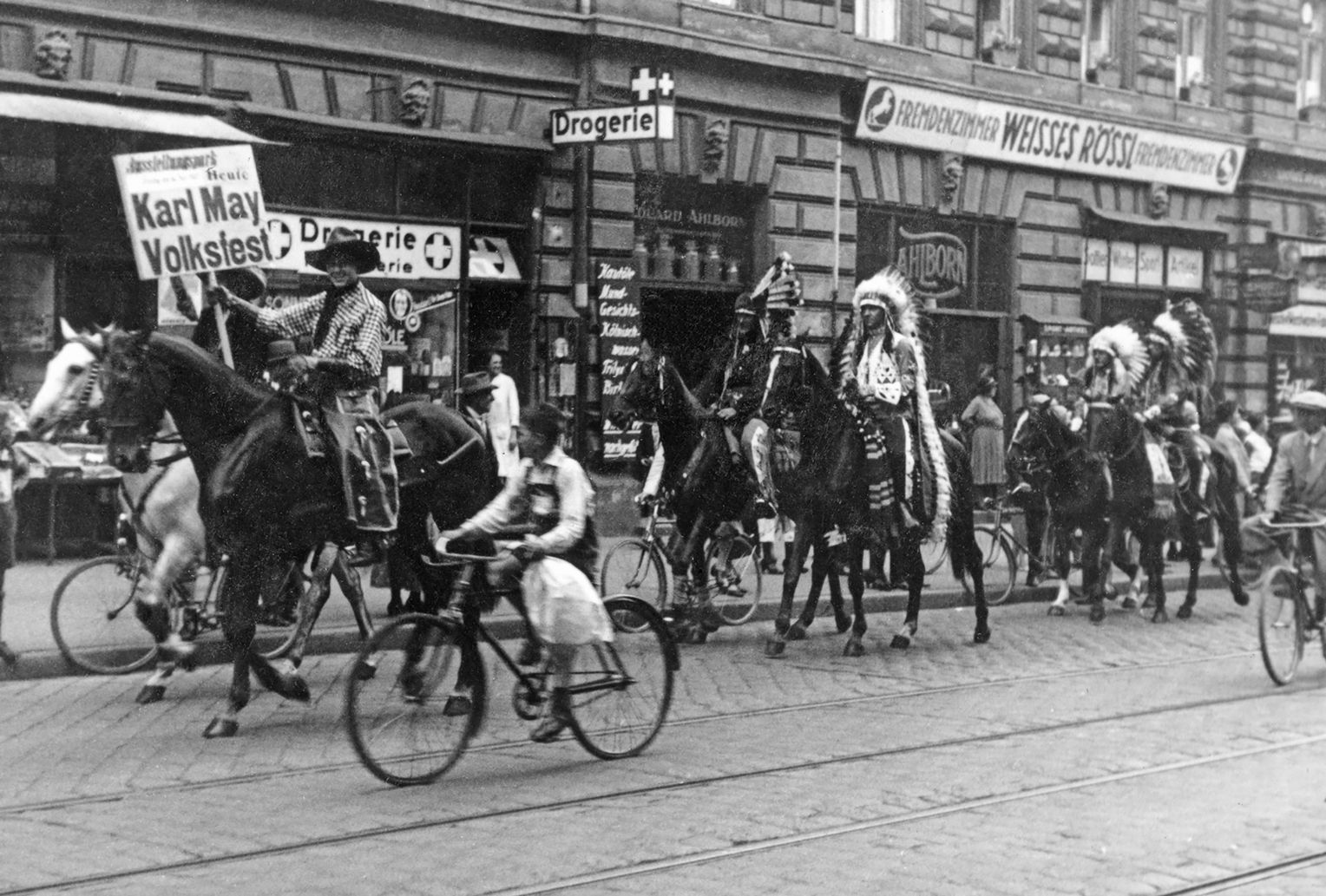
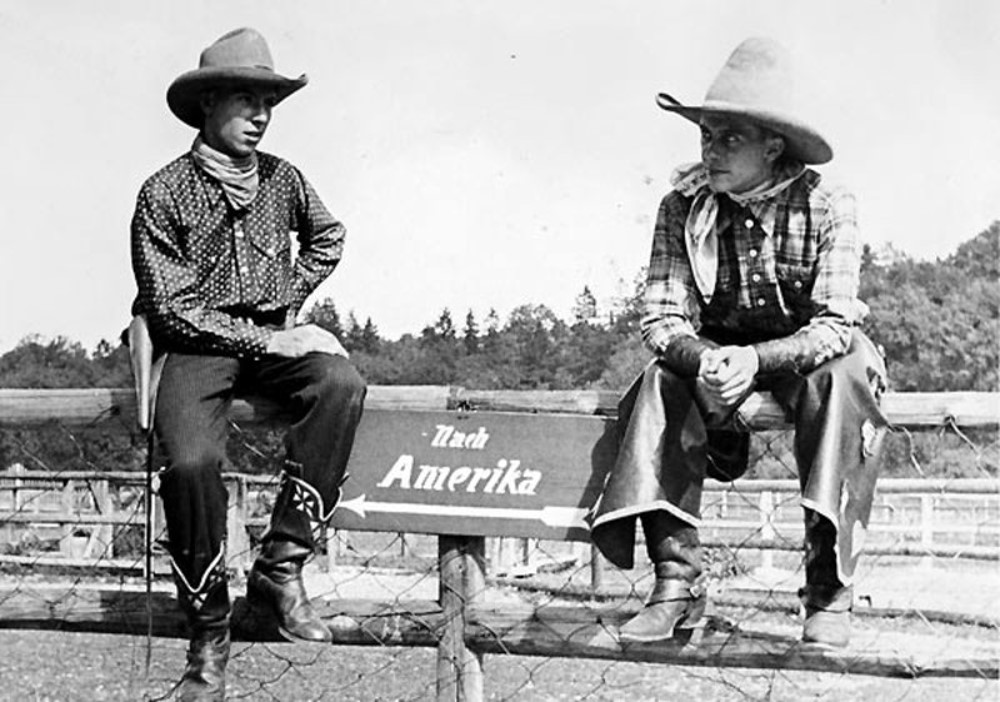
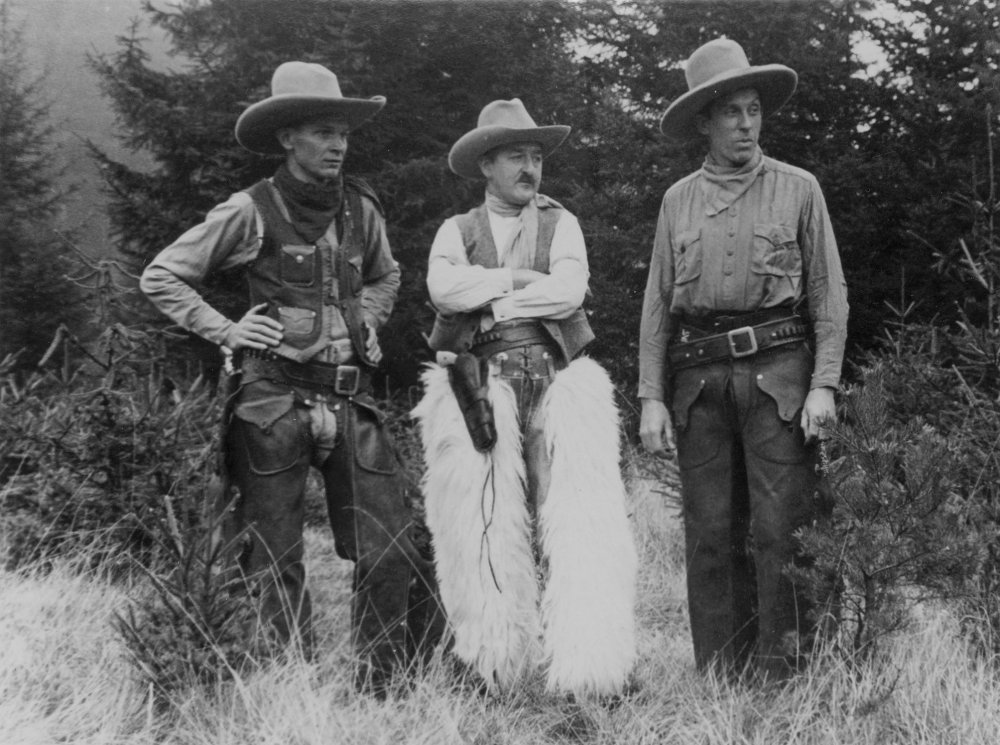
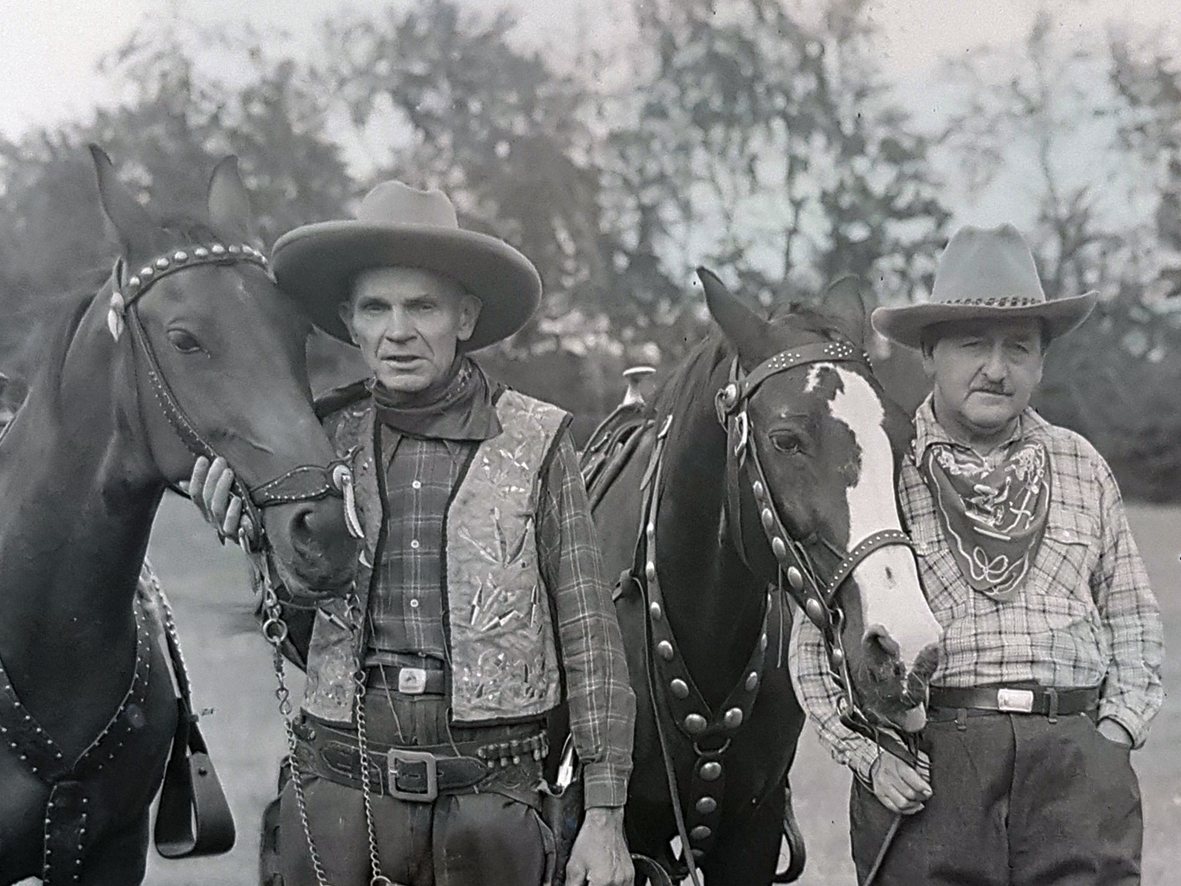
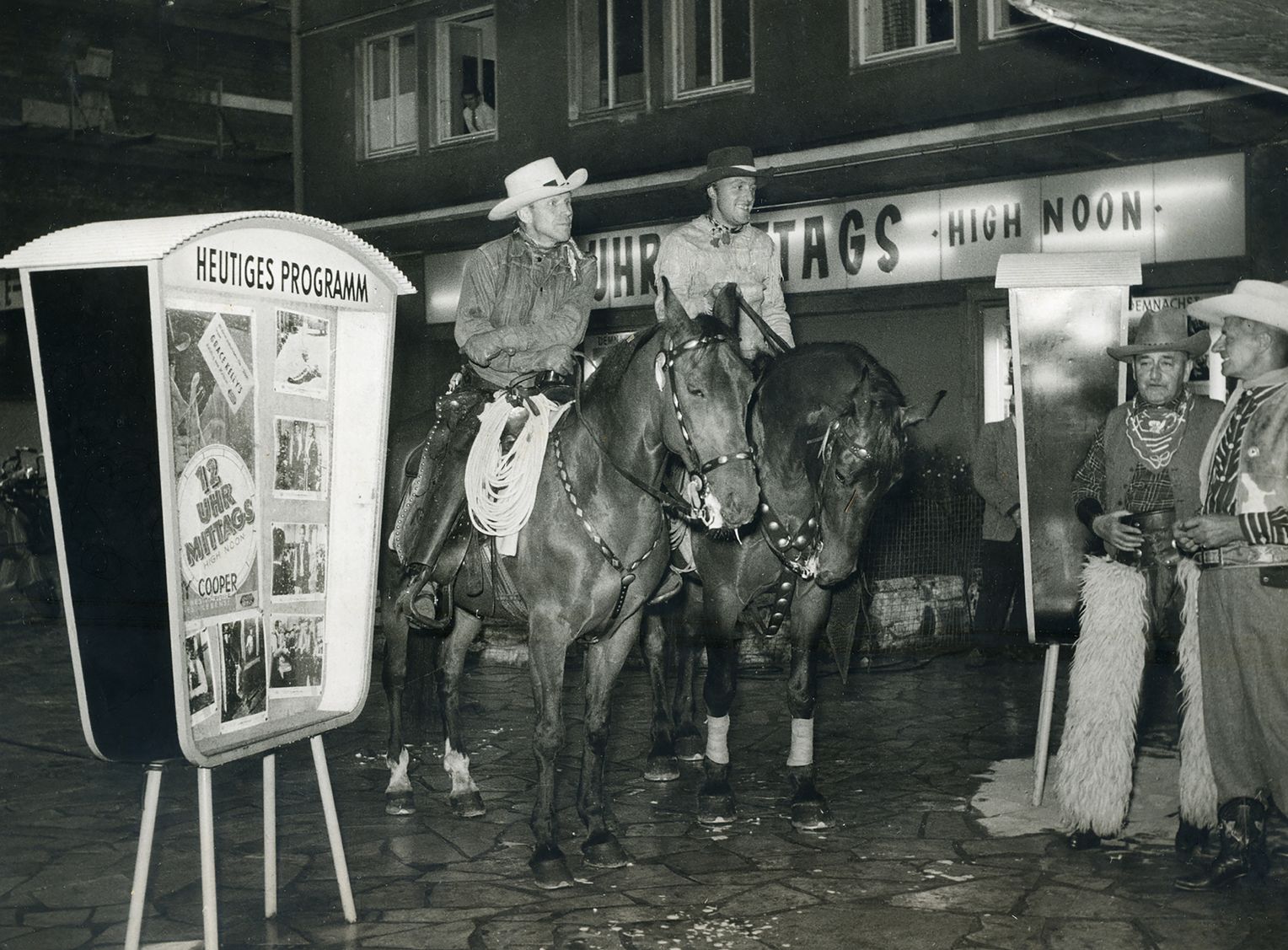
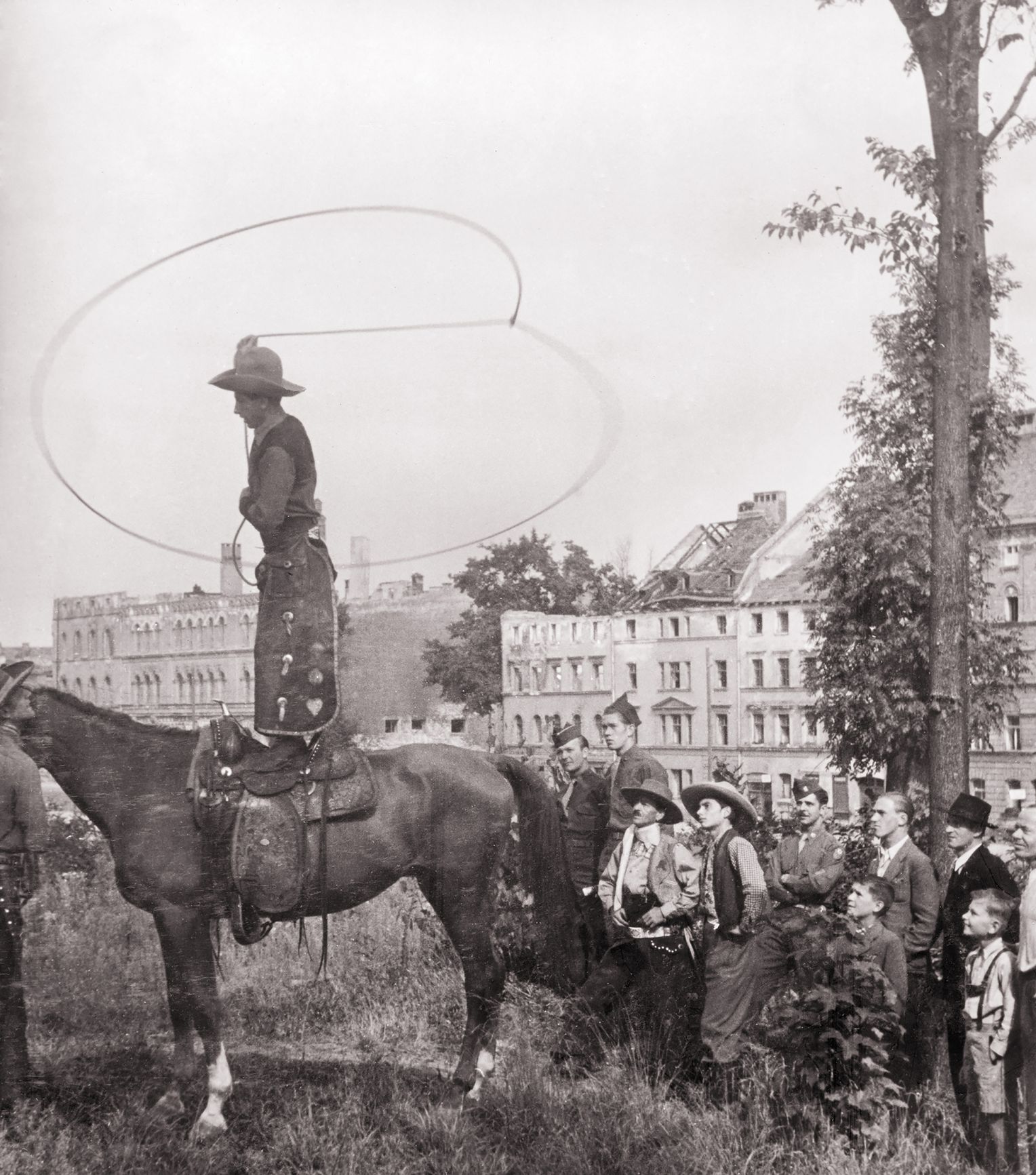
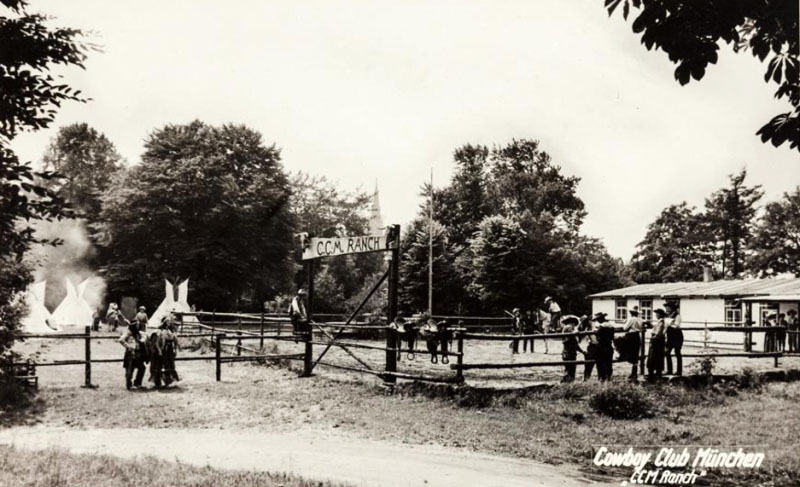
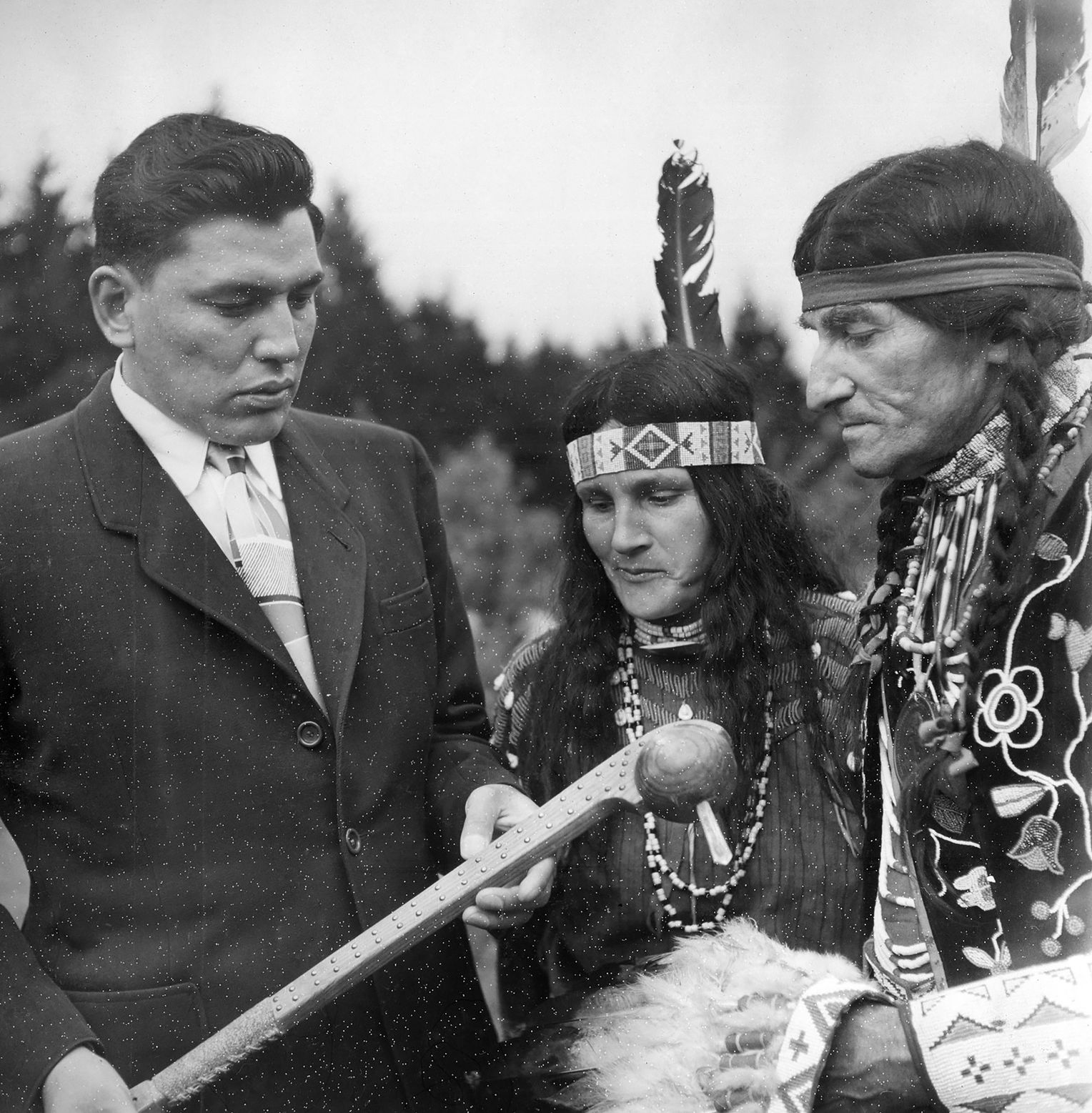
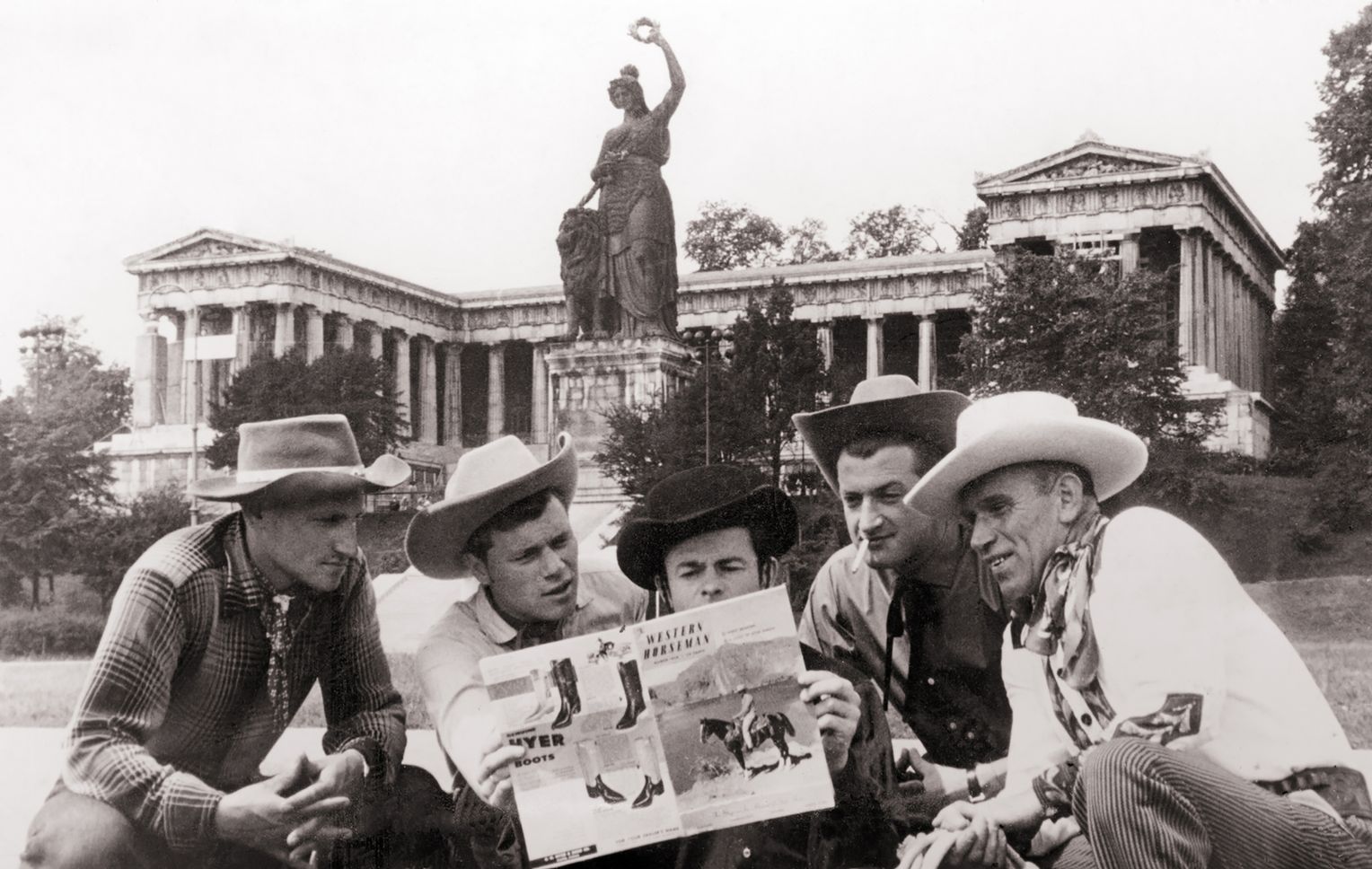
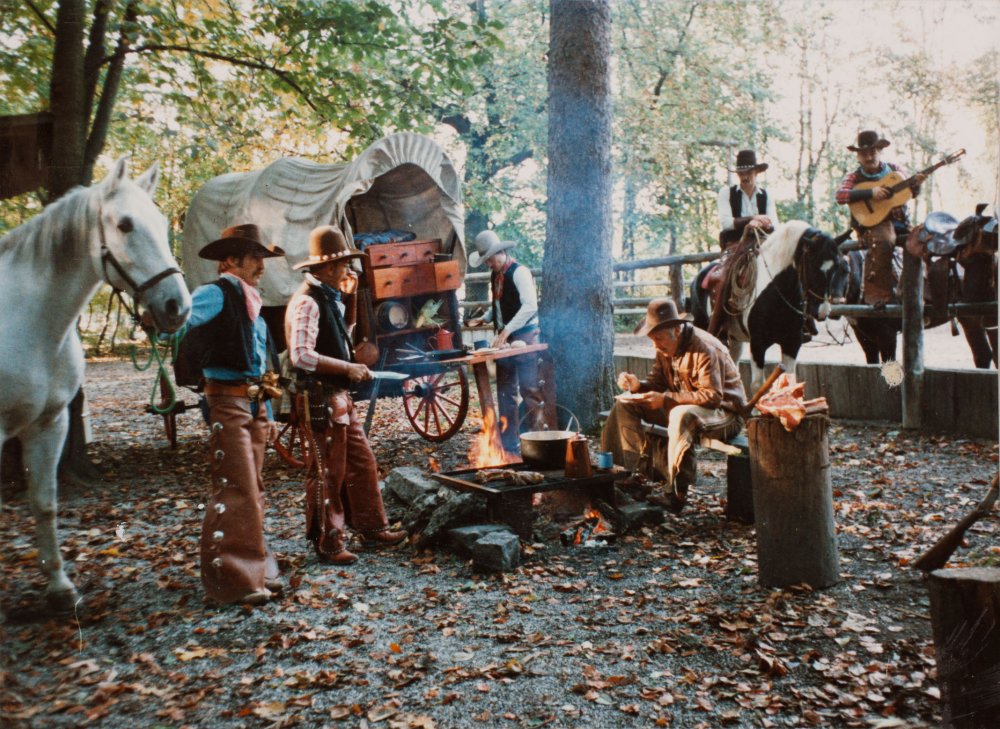
During National Socialism, „the“ Indian was instrumentalized to spread the „German attitude“ among young people. In addition to the Indian books by Karl May (1842-1912) a specific Nazi Indian literature emerged. Photogrphs from this period show more „Indians“ than cowboys. For the politically neutral club (§ 3 club statutes of 1930) purchases from and exchanges with overseas countries stagnated during this period, so that contact with clubs in Germany was intensified. Furthermore the club continued to participate in the usual events such as carnival parades and summer festivals, as can be seen from the clu chronicle.
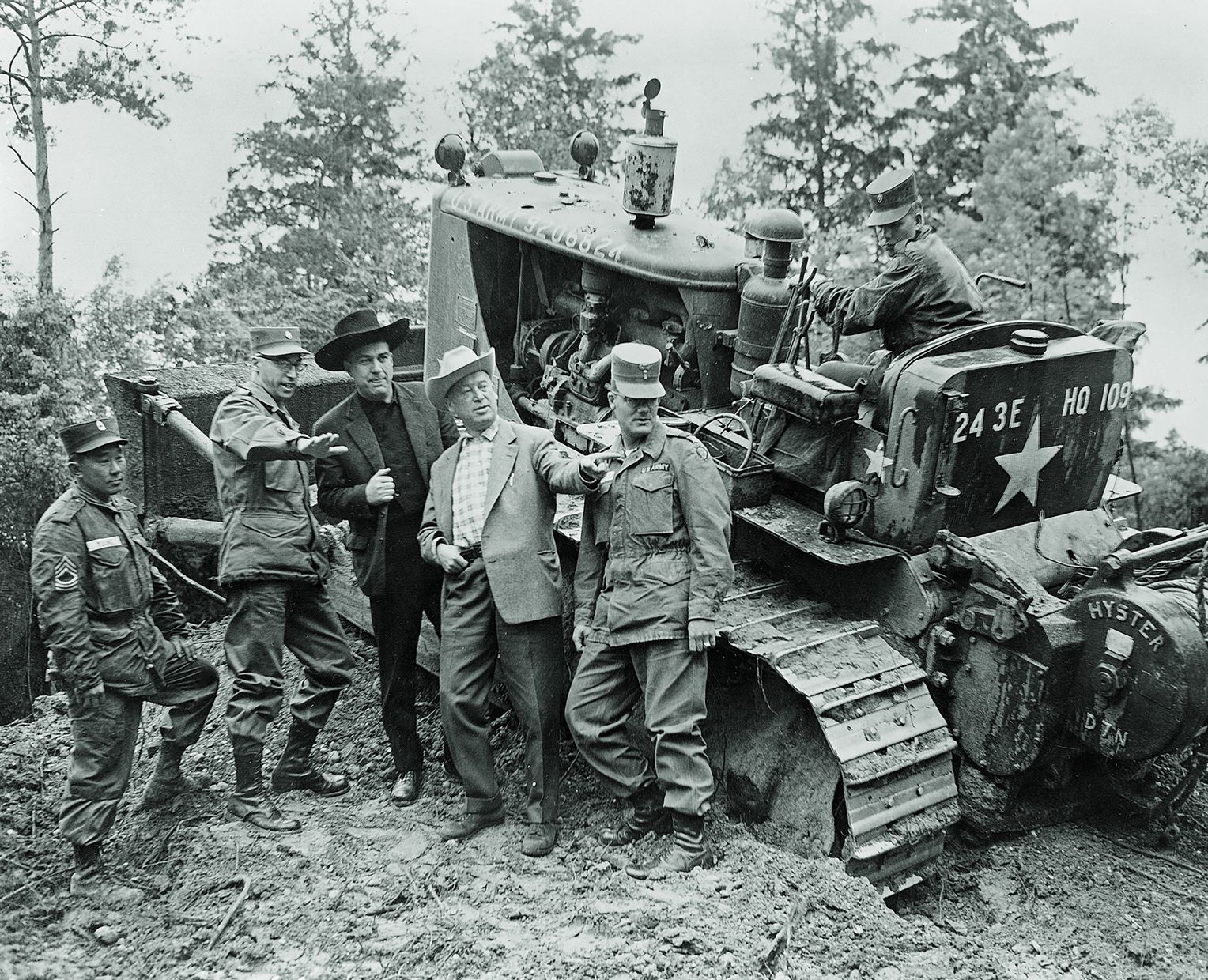
As in World War I, club life came to a standstill again with the outbreak of World War II in 1939. I nthe post-war years, contact with the US Army became an integral part of the club life; as early as September 1945, the club gave a small demonstration of its skills for the American soldiers. One of the American soldiers even professionalized the club’s Native American dance repertoire.
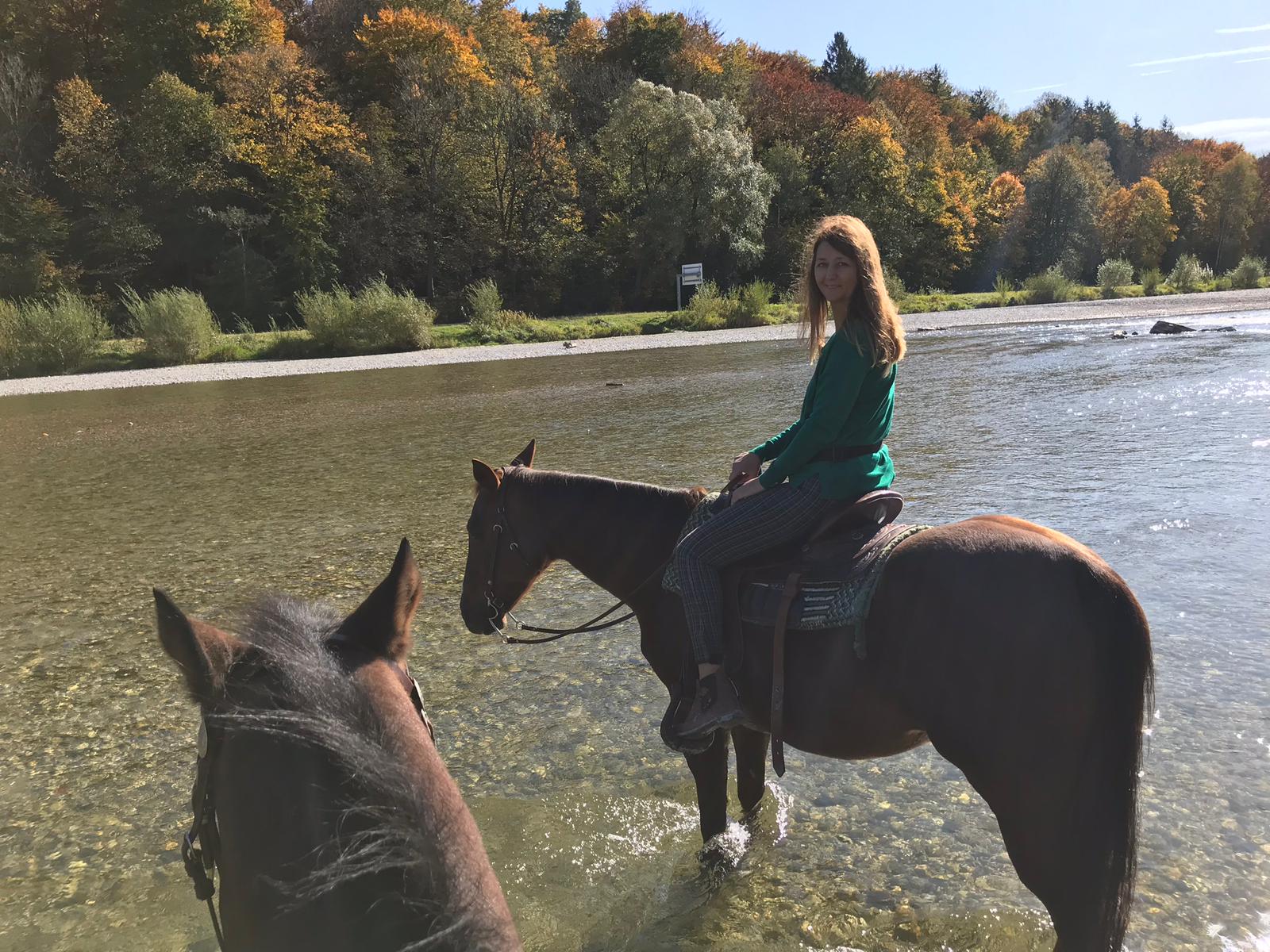
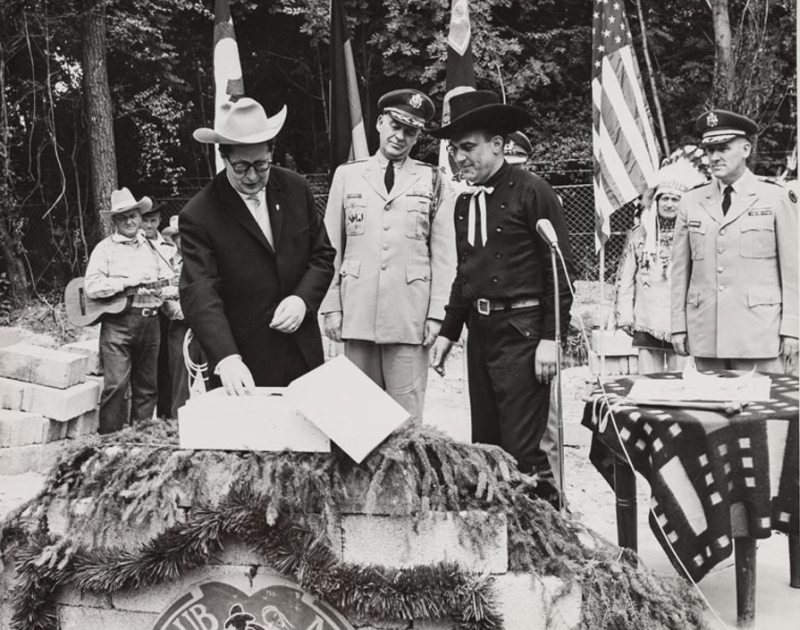
Before the CCM moved into its first ranch in the Kronepark on the Nockherberg in 1954, its members spent the summer months training in lassoing, working with horses and knife throwing in the Harlachinger Forest. In the early 1960s, the city of Munich provided the clup with a site in Thalkirchen. With their own labor and the support of American soldiers, the site was redesigned for the club’s purposes. On July 22nd, 1961, in the presence of Munich’s cowboy hat-wearing mayor Hans Jochen Vogel (SPD, born 1926, mayor 1960-1972) and US Army Lieutenant Colonel Charles E. Gilbert (1912-1998) the foundation stone was laid and the site was inaugurated in 1963, coinciding with its 50th anniversary.
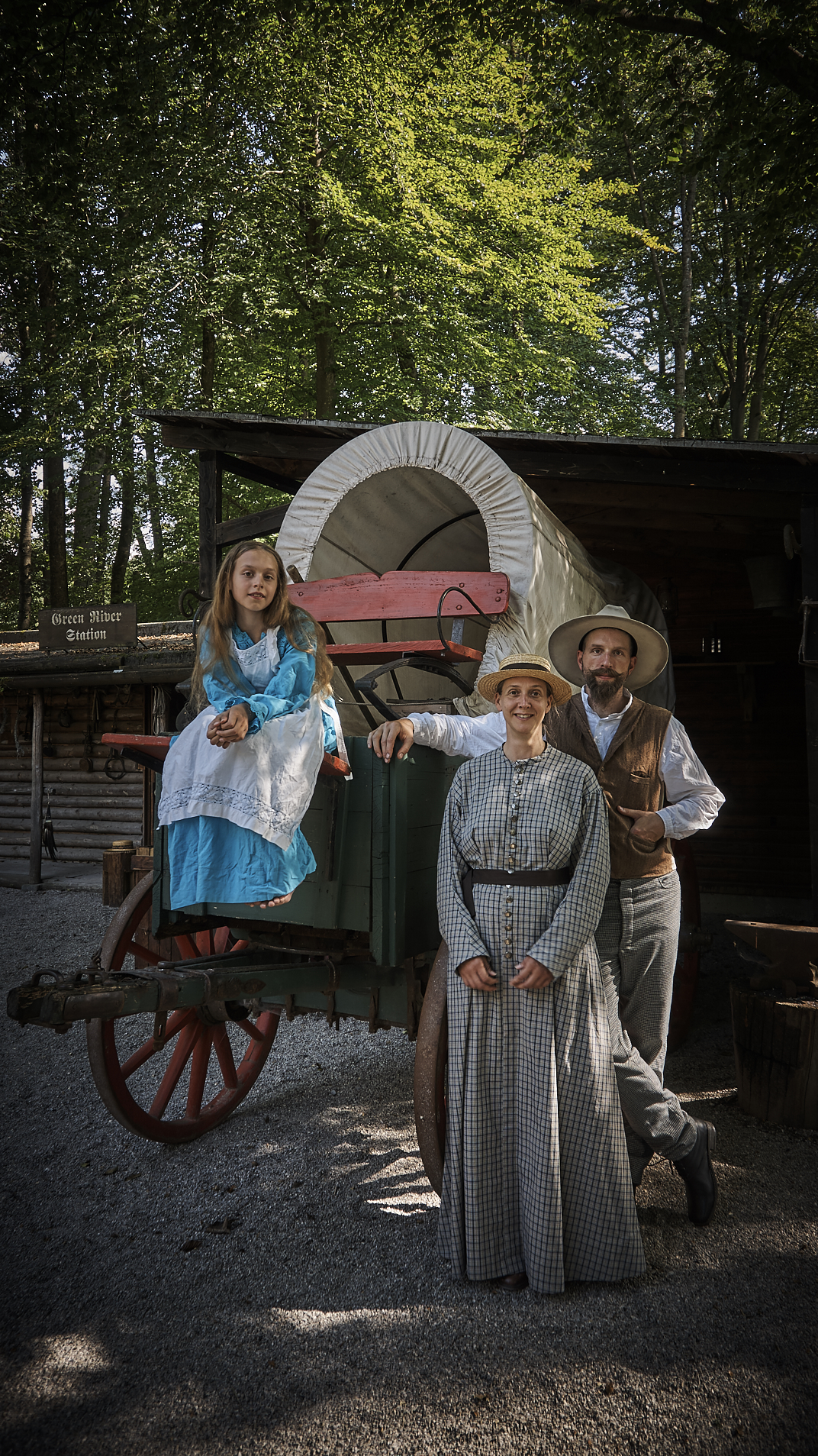
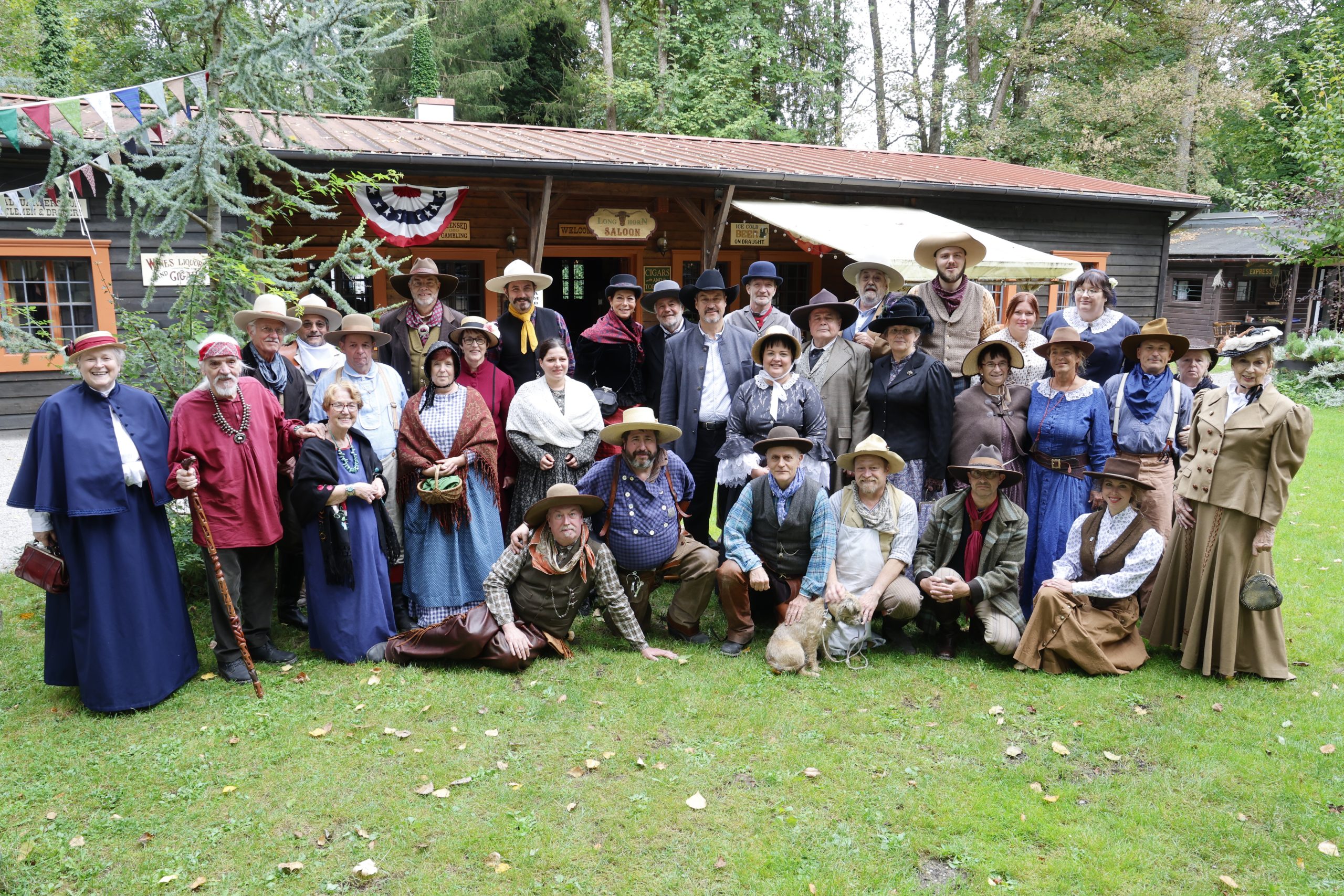
Gradually, other buildings were added, such as a horse stable and a trading post, the „Green River Station“. Together with the saloon, reminiscent of a Western movie, these form the centers of club life. A separate area with tents and teepees creates a special atmosphere.
In 2013 the CCM celebrated its 110th anniversary as the oldest European cowboy club. The Münchner Stadtmuseum honored this anniversary with a special exhibition entitled „Longing for the Wild West“.
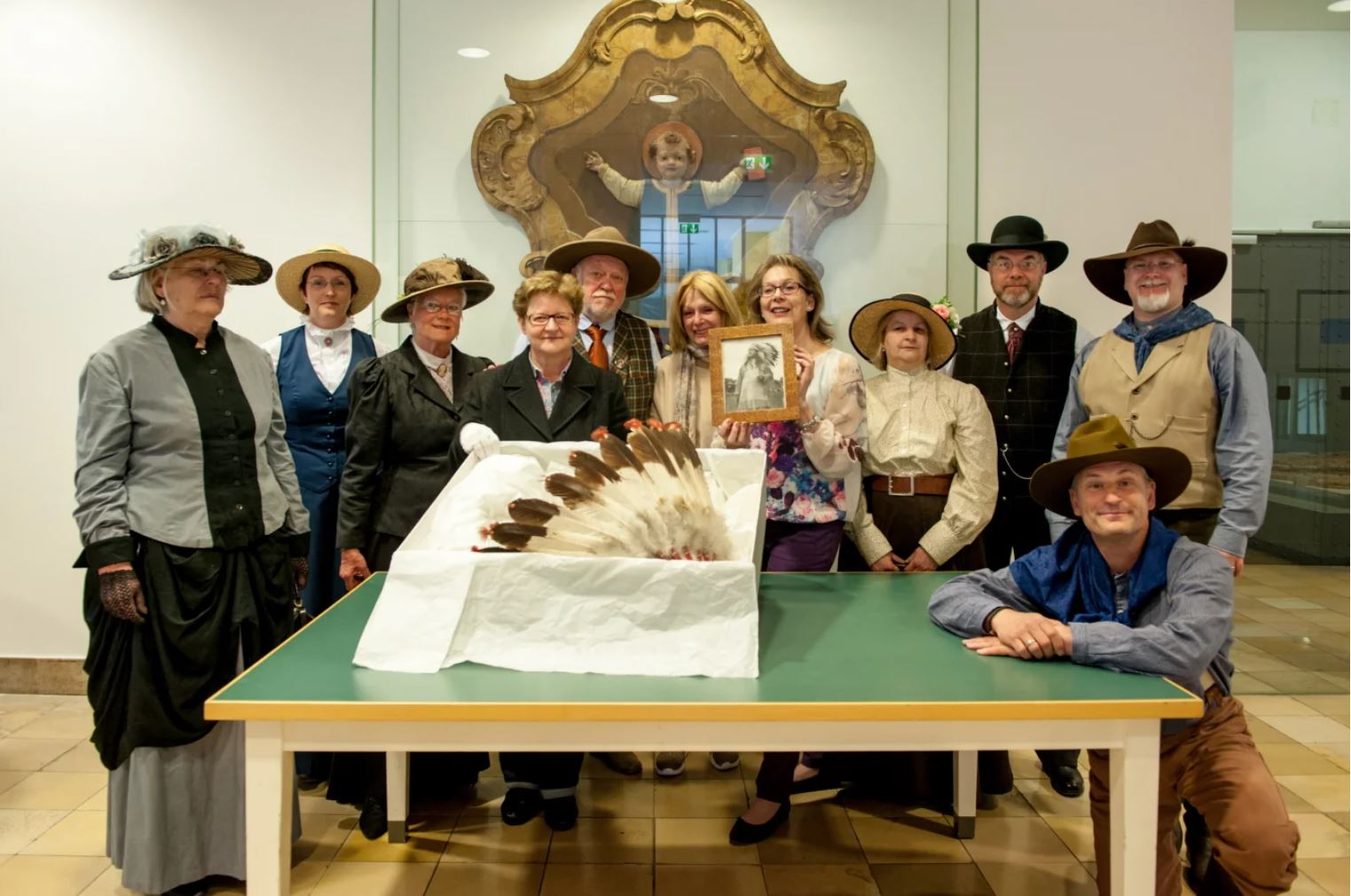
During the celebrations for its 105th anniversary, the Cowboy Club presented the Münchner Stadtmuseum a feathered headdress belonging to Fred (Siegfried) Sommer, father of Sigi Sommer. The museum director, Dr. Isabella Fehle was made an honorary member.
The celebrations of the 111th anniversary in 2024 were crowned by the visit of the Bavarian prime minister, Dr. Markus Söder (CSU).
The Cowboy-Club München 1913 e.V. has more than 100 members (as of 2025).
The industrialization which began in the 1830s led to socio-economic problems in Germany suc has high unemployment and mass poverty („pauperism“). Attracted by the appeal of the American labor market, more than five million Germans emigrated to the Unitd States from Bavaria. Between 1846 and 1857 alone in the so-called first wave, more than 140,00 of the 1.1 million immigrants from Germany came from Bavaria.
For those who stayed at home, the fascination with the American continent was fueled by letters sent home by the emigrants. Travelogues such as those by Prince Maximilian zu Wied-Neuwied (1782-1867) or the author Charles Sealsfield (actually Carl Anton Postl, 1793-1864), Balduin Möllhausen (1825-1905) or Friedrich Gerstäcker (1816-1872) also shaped the specific image of the New World.
In 1826, the first translation of James F. Cooper’s (1789-1851) Leatherstocking novels introduced Native Americans to world literature. Coopers stories are considered the origin of the fascination with the American continent and were used as source of inspiration by authors such as Karl May. May, who, contrary to his own statements had never been to the US before the publication of his Winnetou novels (1893), inspired not only adolescents with his enthusiasms for the Wild West like no one else.
Around 1910 a troup of about 40 Oglala-Sioux and ten cowboys toured Germany. Circuses such as Sarrasani and Krone also advertised with „real“ Indians. The CCM sized the opportunity ad made contact.
Parallel to the written reports, curiosity about the „exotic“ was satisfied at the end of the 19th century by „Völkerschauen“, human zoos, where indigenuous people of foreign countries were put on display. The entrepreneur Carl Hagenbeck (1844-1918) exhibited a group of Native Americans – a „Bella Coola“ group – for the first time at Hamburg Zoo in 1885. In the following decades, around 20 groups from America were to follow with Sioux Indians in particular being hired. The exhibition of the „exotic“ also found its place at the Munich Oktoberfest until the 1930s and later. The Munich showman Carl Gabriel (1857-1931) specialized in presenting these human zoos and, in cooperation with the respective agents for the groups travelling through Germany, organaized their stop at the „Wiesn“. In addition, together with Emil Eduard Hammer (1865-1902) he presented „exotic“ exhibitions in the Panoptikum located in Munich’s Neuhauser Straße. When Gabriel joined forces with Hagenbeck in 1909, a „giant peoples exhibition“ was soon on display at the Oktoberfest, consisting of a Sudanese village, a „Wild West“ section with Indians and cowboys and a few Arabs.
Around 1910 a troup of about 40 Oglala-Sioux and ten cowboys toured Germany. Circuses such as Sarrasani and Krone also advertised with „real“ Indians. The CCM sized the opportunity ad made contact.
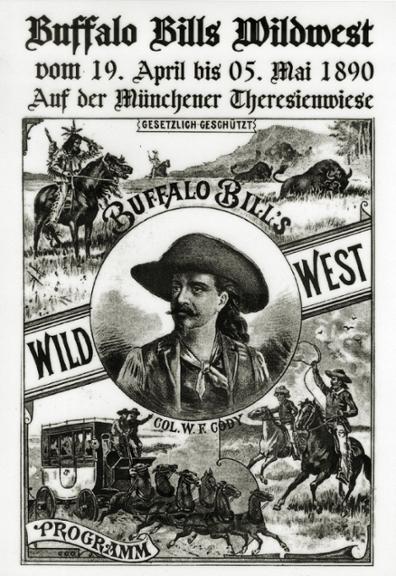
The show, which attracted 5,000 visitors a day, always followed the same pattern. After the entire group entered the arena, a horse race, various riding and lasso skills, the Pony Express, an attack on a settler wagon train by Indians, a buffalo hunt, and Indian dances were presented, among other things. Regular highlights were the shooting skills of Annie Oakley (1860-1926) and the attack on the “Deadwood Stagecoach” (also known as the “Deadwood Mail Coach”), which was saved at the last second by “Buffalo Bill.” Already considered a legend during his lifetime, “Buffalo Bill” succeeded in staging his own experiences. He is considered the man who brought the myth of the Wild West to Germany and established the myth of the cowboy. His show had a lasting impact on Munich and other cities. Not only have scenes from the Wild West been part of circus programs ever since, but playing “cowboys and Indians” also became popular among children, and clubs such as the “Buffalo Bill Wild West Company” (1890).
-Cindy Drexl-